
RECYCLING RIGHT
Know how to properly dispose of spring cleaning waste
-
-
-Messenger photo by Kelby Wingert
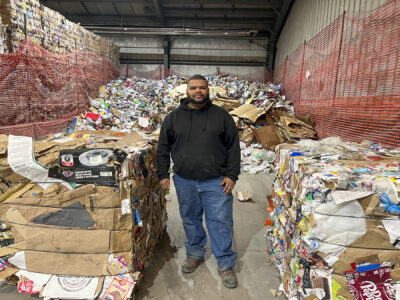
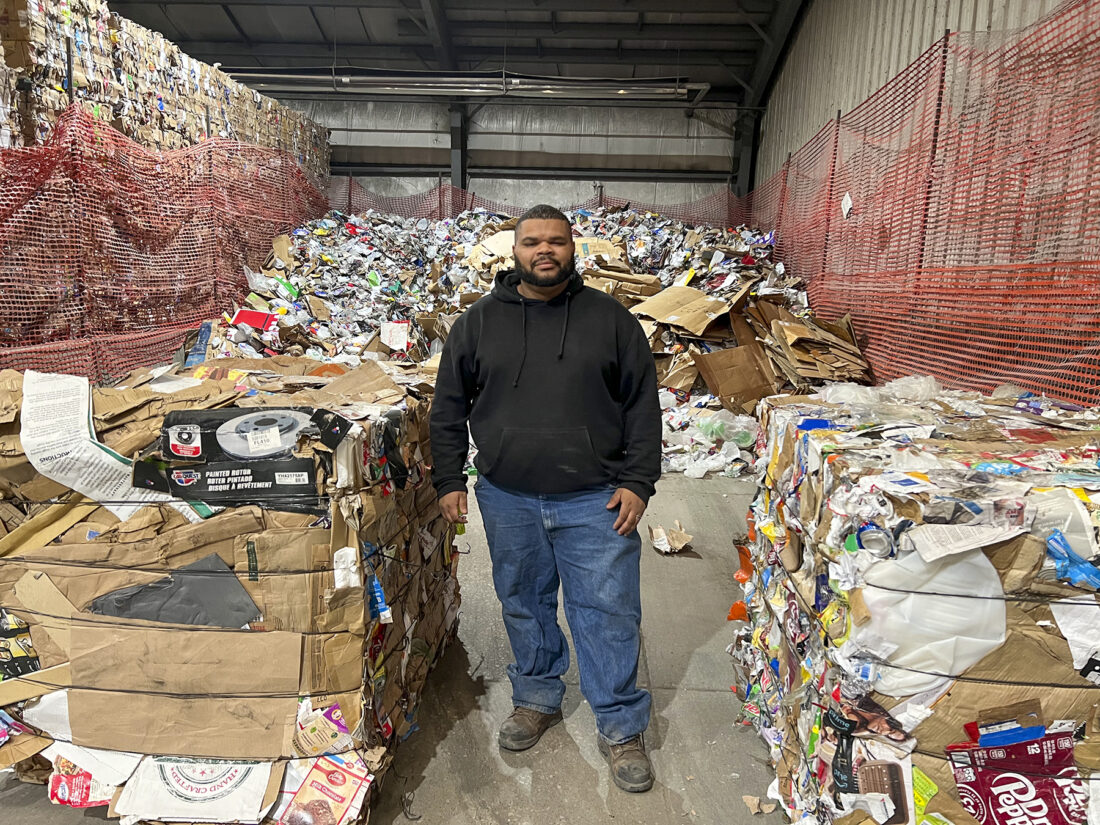
Regional Recycling Center Operations Manager James McLaughlin stands by two cubes of baled co-mingled recycling. All curbside recycling goes through a baler to compress the items before they’re shipped to a sorting facility.
-
-
-Messenger photo by Kelby Wingert
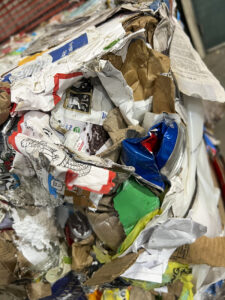
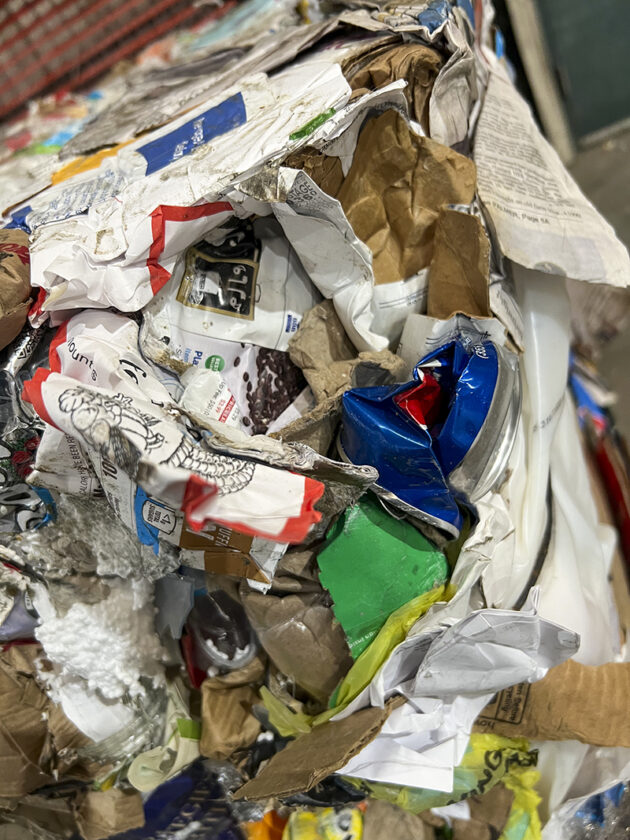
Co-mingled recycling goes through a baler to compress into blocks before being transported to a sorting facility.
-
-
-Messenger photo by Kelby Wingert
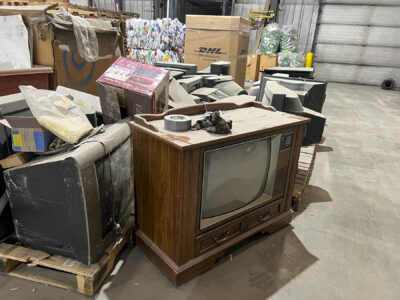
Televisions are one of the most common E-waste items recycled at the Regional Recycling Center, especially during spring cleaning season. To recycle a TV at the Regional Recycling Center, a $15 fee will apply.
-
-
-Messenger photo by Kelby Wingert
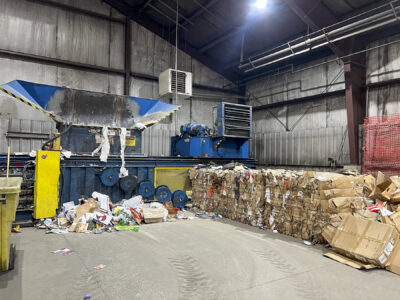
Unsorted curbside recycling goes through a baler to be compressed into blocks of comingled recyclables, which will then be transported to another facility for further sorting.
-
-
-Messenger photo by Kelby Wingert
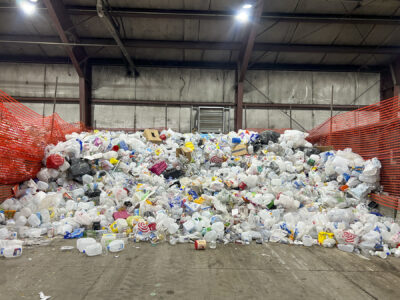
A mountain of plastic bags, bottles, jugs and more sits inside the Regional Recycling Center.
-
-
-Messenger photo by Kelby Wingert
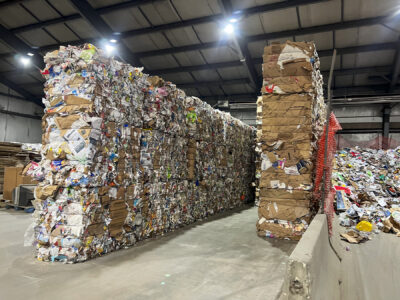
Walls of compressed recycling blocks await transport to another sorting facility.
-Messenger photo by Kelby Wingert
Regional Recycling Center Operations Manager James McLaughlin stands by two cubes of baled co-mingled recycling. All curbside recycling goes through a baler to compress the items before they're shipped to a sorting facility.
You’re cleaning out your garage or your basement or maybe that hall closet that you tend to just stuff random odds and ends into throughout the year. You find some 1970s romance novels, an old tin lunchbox and a printer that hasn’t worked since 1999. You decide to toss them out, but how?
The North Central Iowa Regional Solid Waste Agency’s Regional Recycling Center has the answer.
Instead of sending these items — and many other things tossed out during spring cleaning season — to live forever in the NCIRSWA’s landfill south of Fort Dodge, the Regional Recycling Center wants to give these discards a new life.
Whether you’re filling one of the 9,000-plus residential curbside recycling bins or you’re bringing, it’s important to know what can and cannot be recycled.
Roughly 320,000 pounds of recycling go through the facility each month, according to James McLaughlin, operations manager for the Regional Recycling Center.
-Messenger photo by Kelby Wingert
Co-mingled recycling goes through a baler to compress into blocks before being transported to a sorting facility.
The co-mingled recycling that comes in from the more than 9,000 residential curbside recycling bins goes through a baler to be compressed into large cubes that are then transported to a larger sorting facility in Des Moines. The mostly-sorted recycling from the roll-off bins stationed around Fort Dodge and some surrounding communities are hand-sorted by staff at the Regional Recycling Center to ensure that different types of recycling — paper, glass, plastic, cardboard, etc. — gets properly sorted so they can be transported to the processing facilities that will eventually turn the items into their newest incarnation.
“Cardboard boxes are usually made into boxes again, paper will be turned into egg cartons or other thin paper products,” McLaughlin said. “Glass gets made into more glass. Glass has almost no waste when you recycle it.”
Plastics are usually turned into a different plastic product, he added.
Floor Supervisor Jordan Mills’ biggest pet peeve is when people put styrofoam in the recycling.
“Especially styrofoam inside TV boxes, because it all just gets crumbled up and the styrofoam breaks and a lot of times we get on our hands and knees just to pick the stuff up,” he said.

-Messenger photo by Kelby Wingert
Televisions are one of the most common E-waste items recycled at the Regional Recycling Center, especially during spring cleaning season. To recycle a TV at the Regional Recycling Center, a $15 fee will apply.
When it comes to cardboard pizza boxes, the recycling center can’t accept boxes that are soaked in pizza grease. However, if part of the box is clean from grease, that part of the box can be recycled.
One product that most people want to recycle cannot go in the curbside recycling, McLaughlin said. Plastic grocery sacks, as well as other soft plastics like plastic wrap and garbage sacks, will jam up the processing equipment, so recycling center staff don’t want to see them in the bins. McLaughlin said many grocery stores have locations where customers can recycle the plastic grocery sacks.
“When the recycling is getting sorted, sacks will get caught up in the belt and cause it to stop,” he said. “They have to shut down the entire line, clean out stuff and that could take hours.”
When it comes to paper products, tissues and toilet paper aren’t accepted by the recycling center, McLaughlin said. However, books, newspapers, printer paper, catalogs, phonebooks and shredded paper are accepted.
Recycling center staff also don’t want to see large metal items, including bicycles, in the recycling.

-Messenger photo by Kelby Wingert
Unsorted curbside recycling goes through a baler to be compressed into blocks of comingled recyclables, which will then be transported to another facility for further sorting.
“Metal in our curbside is not good — it messes up the blade of our machine,” McLaughlin said. “Someone keeps throwing away helium balloon tanks and that’s not good.”
McLaughlin also noted that yard waste like leaves or grass clippings don’t go in the recycling and should go into compost instead.
Occasionally, the recycling staff finds items that absolutely should not be recycled. One of the more unusual non-recyclable items they’ve found include adult toys, Mills said.
McLaughlin and his staff hand-sort the recycling that’s brought in from the roll-offs. Medical waste — including needles — or anything with bodily fluids are not allowed in the recycling. McLaughlin said that although they wear gloves, if something like that is found while staff are sorting the recycling, he will send the whole load to the landfill because he won’t risk the health or safety of his staff.
The Recycling Center accepts most electronic devices and small appliances. Anything with a screen will have a $15 recycling fee, McLaughlin said.
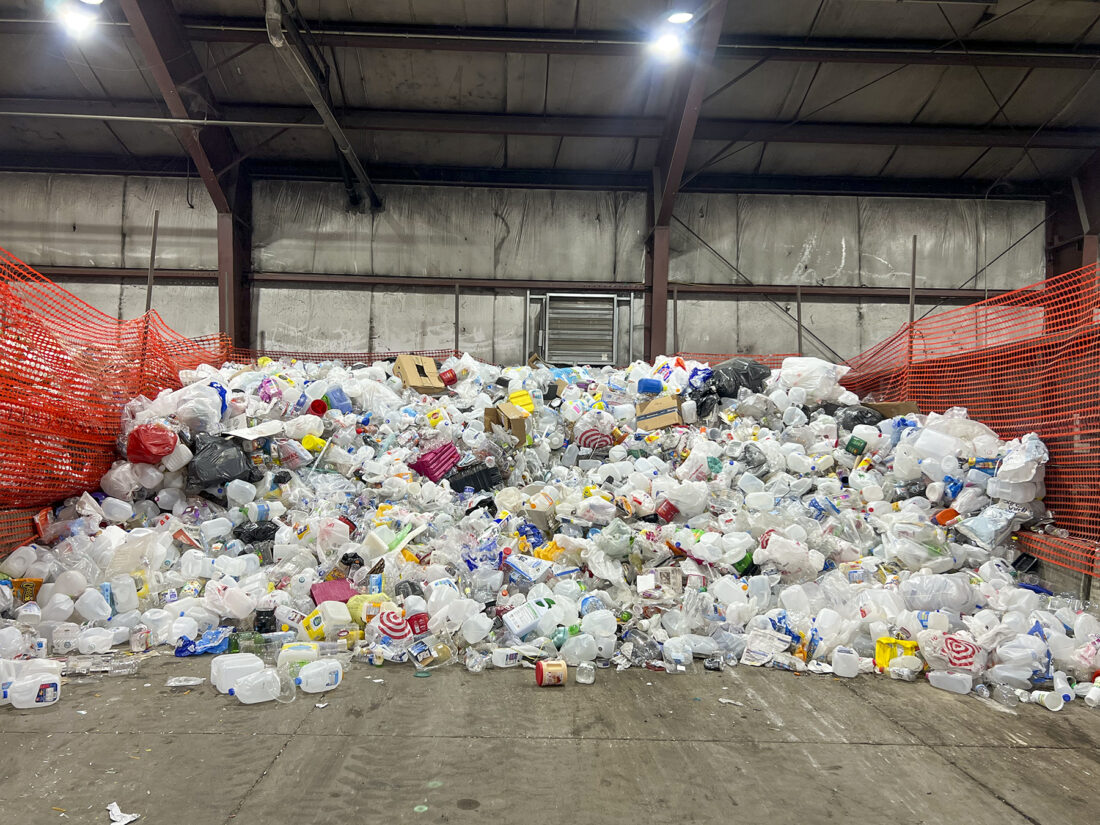
-Messenger photo by Kelby Wingert
A mountain of plastic bags, bottles, jugs and more sits inside the Regional Recycling Center.
“We don’t pocket that — that’s to cover the fee of the company that we send it to,” he said.
Recycling roll-offs can be found around Fort Dodge at 3001 Eighth Ave. S., 1513 Second Ave. N., and 2707 15th Ave. N.
Residents who are unsure if an item is recyclable or not can reach out to the Fort Dodge Public Works Department at 515-955-6139 or the Regional Recycling Center at 515-955-2781.
E-waste, including TVs, computers, vacuums, electronic toys and stereos can be taken directly to the Regional Recycling Center, 2151 Gypsum Hollow Road, for recycling any time the facility is open. Hazardous materials like household chemicals, paints, batteries, lightbulbs and more can be recycled at the hazardous materials facility next to the recycling center, by appointment Tuesday through Friday 8 a.m. to 2 p.m.
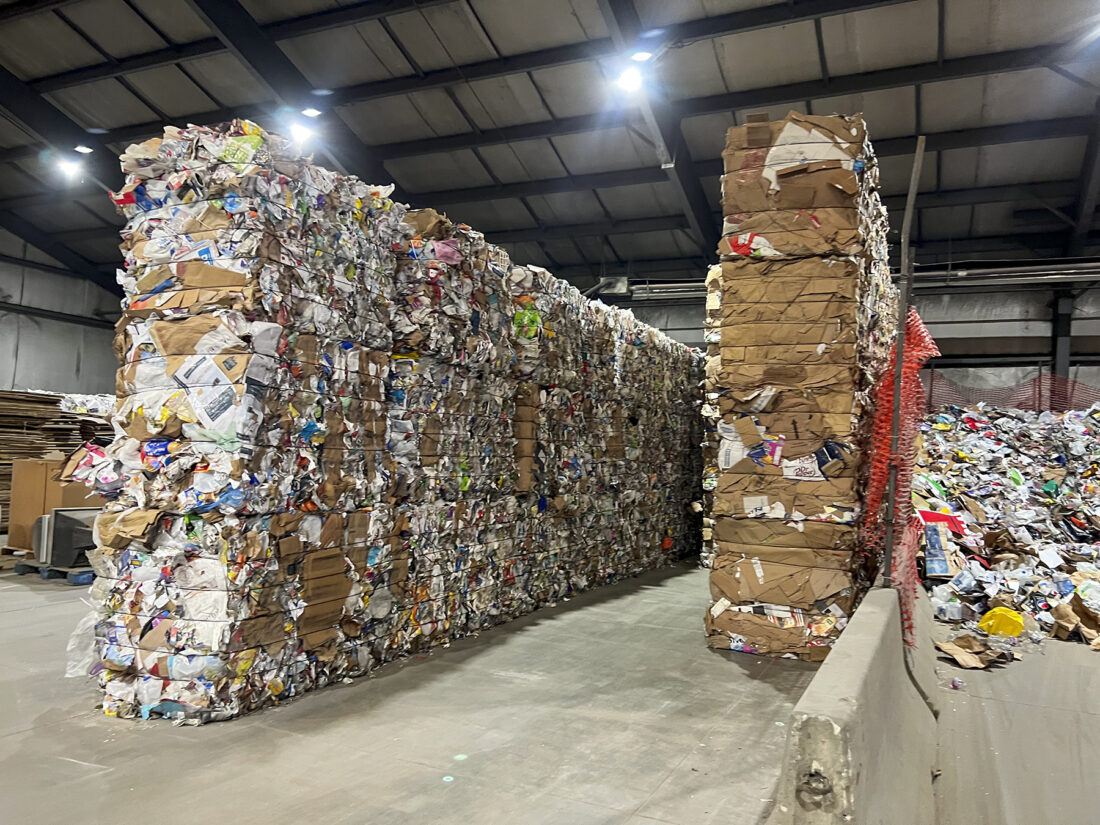
-Messenger photo by Kelby Wingert
Walls of compressed recycling blocks await transport to another sorting facility.
Local News
In full bloom
Council buys Sinclair site for intersection job
The Sinclair gas station at Second Avenue North and 15th Street was purchased by the Fort Dodge City Council Monday ...
FD council grants liquor license renewal
Participation in FD school activities on the rise
A successful 2025-26 academic year on the activities side was the highlight of the Fort Dodge Community School ...
Council OKs $115 million budget for Fort Dodge
A roughly $115 million budget that includes a 14-cent increase in the property tax rate was approved unanimously by ...