
Coal, gypsum were key to growth of Fort Dodge
Gypsum plaster developed here changed American construction business
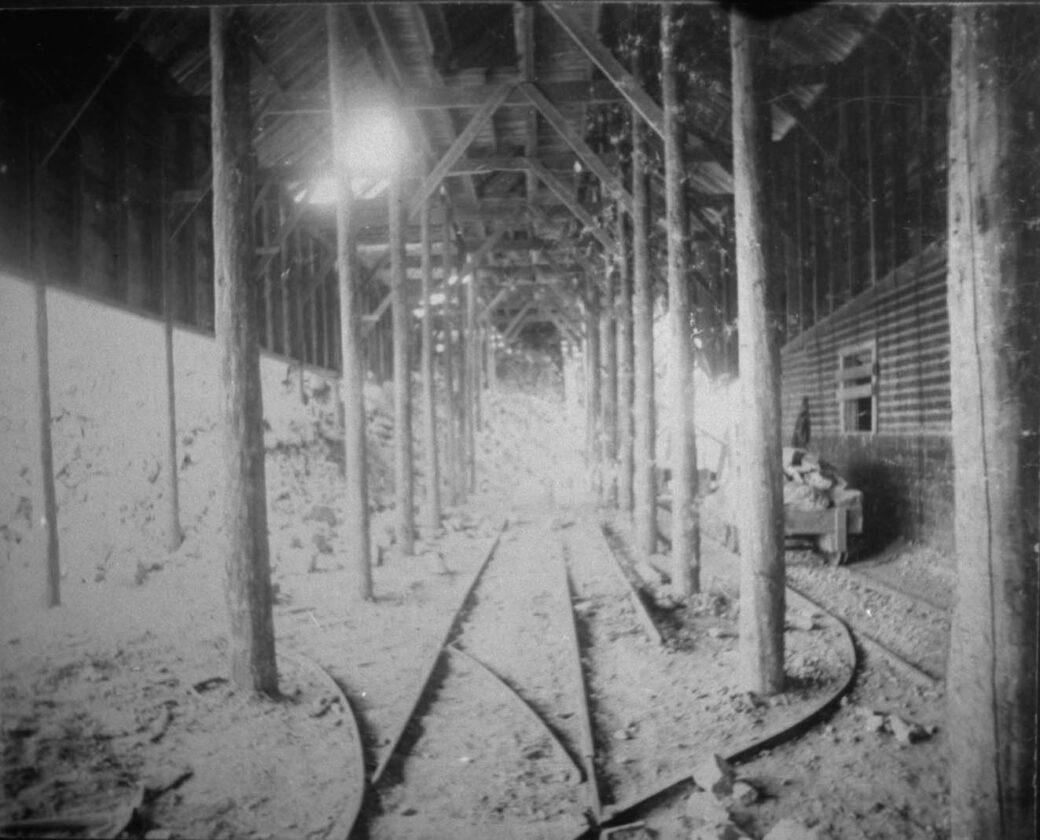
-Photo courtesy of the Webster County Historical Society <br>Tracks serving an unidentified gypsum mill are shown.
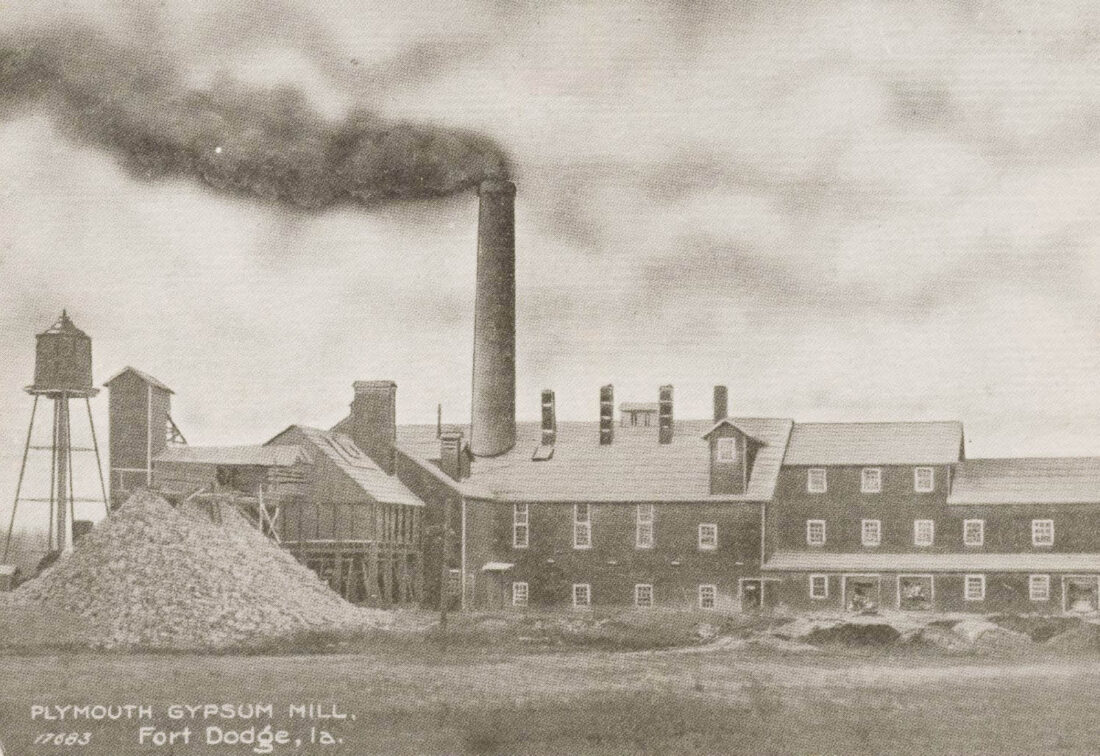
-Photo courtesy of the Webster County Historical Society <br>The former Plymouth Gypsum Mill in Fort Dodge is shown above on what appears to be a postcard.
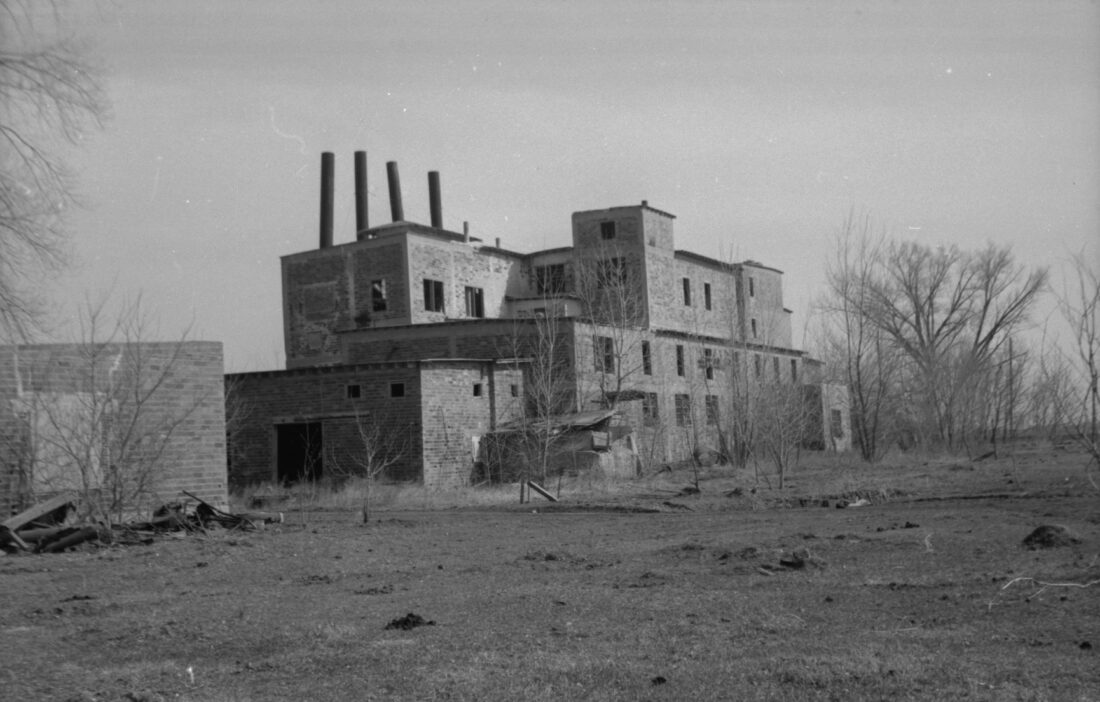
-Photo courtesy of the Webster County Historical Society <br>The Wasem Gypsum Mill is shown.
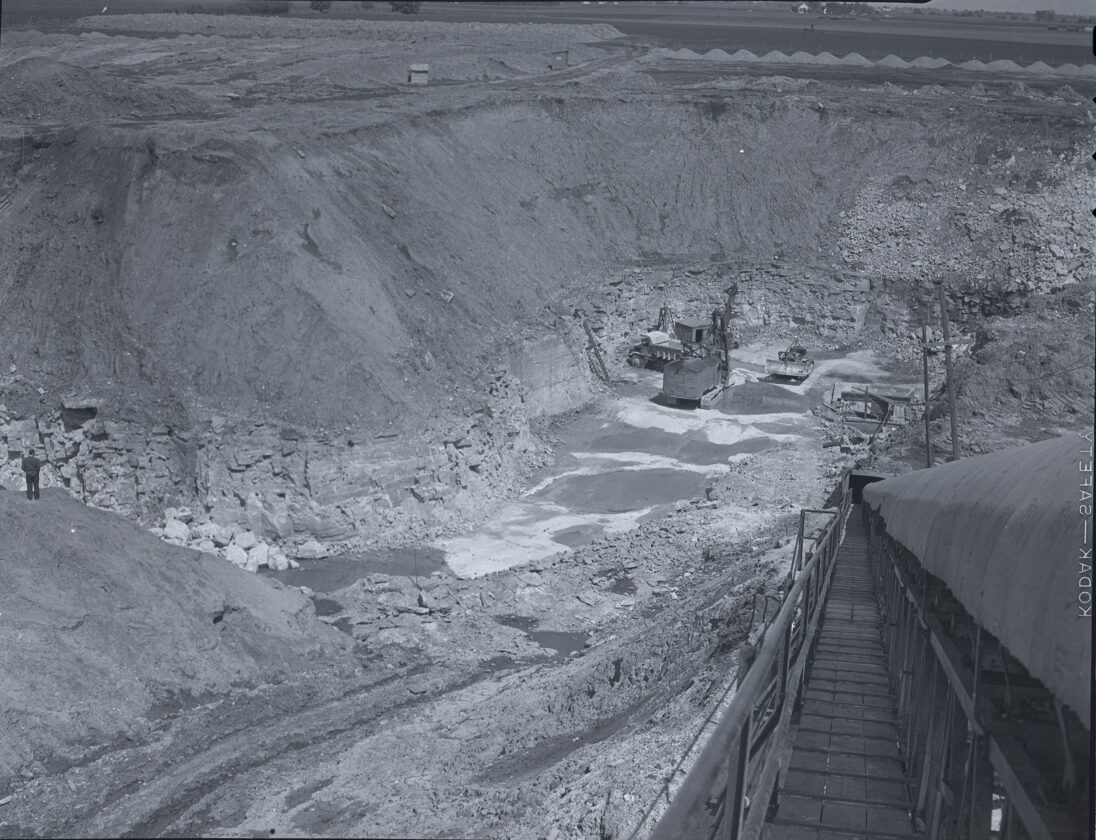
-Photo courtesy of the Webster County Historical Society <br>This is a Fort Dodge area gypsum quarry in 1946.
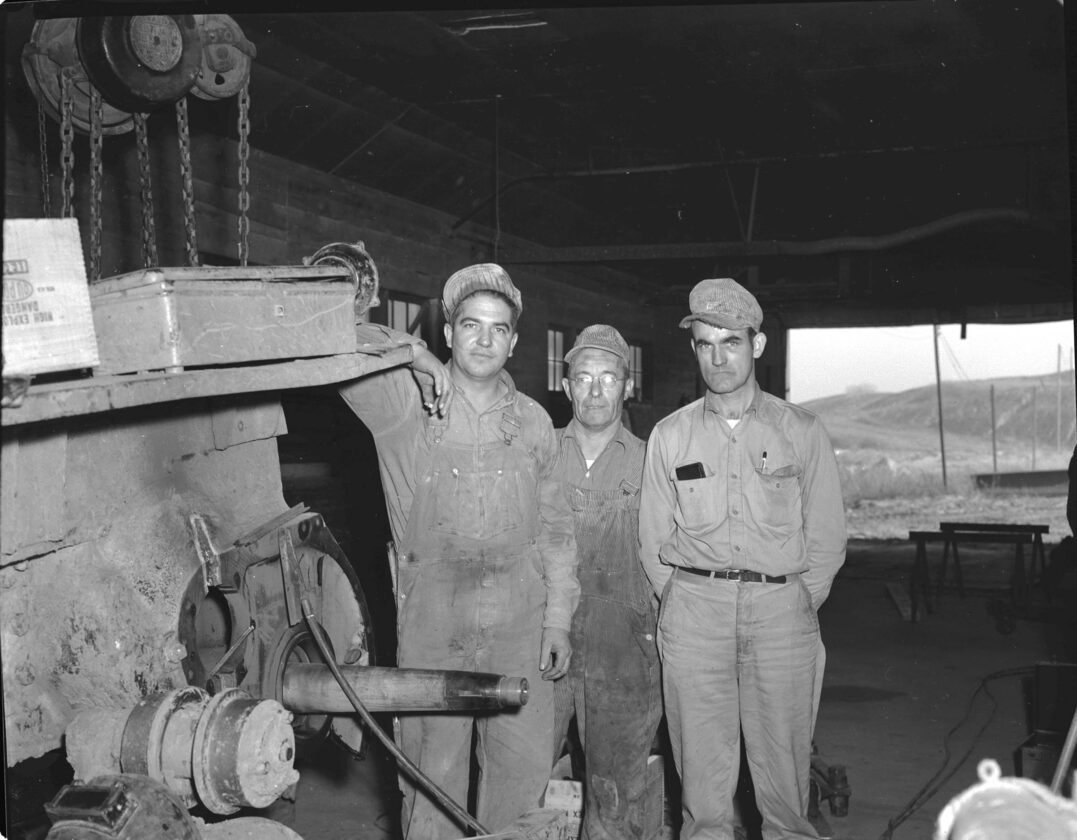
-Photo courtesy of the Webster County Historical Society <br>Three workers in a welding shop at a National Gypsum quarry pose for a photo in 1949.
-Photo courtesy of the Webster County Historical Society <br>Tracks serving an unidentified gypsum mill are shown.
-Photo courtesy of the Webster County Historical Society <br>The former Plymouth Gypsum Mill in Fort Dodge is shown above on what appears to be a postcard.
-Photo courtesy of the Webster County Historical Society <br>The Wasem Gypsum Mill is shown.
-Photo courtesy of the Webster County Historical Society <br>This is a Fort Dodge area gypsum quarry in 1946.
-Photo courtesy of the Webster County Historical Society <br>Three workers in a welding shop at a National Gypsum quarry pose for a photo in 1949.
Trending
In Fort Dodge, there is a restaurant called Mineral City Mill and Grill.
South of town, there is an off-highway vehicle park called Gypsum City.
Also south of Fort Dodge is an unincorporated village called Coalville.
All of those mineral-inspired names are a tribute to the long heritage of mining in Webster County.
Surrounded by fertile farm fields that were key to the economy, the growth and development of the city also rested on the ability to mine coal, gypsum, limestone and clay.
Coal was the first mineral mined in the area. But gypsum emerged as the main focus of mining. Gypsum mining and wallboard production remain major industries today, about 177 years after the mineral was first discovered in what is now Webster County.
Gypsum
The gypsum deposits beneath the ground of Webster County make up what geologists call the Fort Dodge Formation. It was formed millions of years ago, during the Jurassic Period.
The first reported discovery of gypsum in Webster County was in 1849, a year before the Army established the Fort Dodge military post. The discovery was documented by explorer David Dale Owen, who had made a trip up the Des Moines River and spotted gypsum outcroppings.
Gypsum had been known as a building material since colonial times. In some cases. blocks of it were used to construct buildings.
In 1872, the first facility to refine gypsum into something other than a building block was constructed southeast of Fort Dodge along Two Mile Creek. It was established by Geroge Ringland, Webb Vincent and S.T. Meservey. Named Central Mill, it first made stucco, an exterior coating for buildings.
The mill struggled to make money for the first decade or so.
Ringland opened his own gypsum mill in 1882, and it struggled at first also.
Then in 1884, Ringland did something that changed the Fort Dodge industry and the construction business across the country. He perfected gypsum plaster. This gypsum-based plaster was easier to work with than the plaster made of lime and sand that had been in use for years. Once the construction trades adopted it, business took off for Fort Dodge gypsum mines and mills.
In 1885, a third mill opened in Webster County.
Owners of the three mills came together to form the Iowa Plaster Association.
A new national gypsum company with Fort Dodgers in key roles was established on Dec. 24, 1901. It was called the United States Gypsum Co. and was headquartered in Chicago, Illinois. Ringland was the second president of the company while Meservey was its secretary and a member of the board of directors.
The company, now usually called USG, still exists and has a mill and mine in Webster County.
Over the last century and a half there have been 30 different gypsum companies and 13 gypsum mills in and around Fort Dodge. In addition to United States Gypsum, the list includes Plymouth Gypsum Co., Iowa Hard Plaster Co., American Independent Gypsum Co., Wasem Plaster Co., Celotex Corp., and Cardiff Gypsum Co.
Today there are four gypsum companies in Fort Dodge and Webster County – CertainTeed, Georgia Pacific, National Gypsum Co, and USG. Together they employ about 370 people.
Coal
While gypsum is the dominant mineral in Fort Dodge history, coal was actually the first one mined in the area.
The soldiers who manned Fort Dodge from 1850 to 1853 were the first to dig coal, which they burned for cooking and warmth. But they didn't truly mine it. There was a visible outcropping of coal about a mile and half north of the post, and the soldiers just chiseled out whatever they needed.
The first true mine was the Wahkonsa Mine across the Des Moines River from the city. It opened in the mid-1850s.
There was also a mine southeast of Fort Dodge near Holaday Creek. A town called Carbon, sometimes called Carbon Junction, grew up there. The town's name was changed to Gypsum when that mineral became the dominant one in the area.
The town of Coalville sprouted up where railroad lines serving the mines came together.
Most of the coal mining took place near Kalo and farther south near Lehigh.
In the 1800s, the coal deposits in Webster County were the farthest northwest in the country. These made them valuable, especially to the railroads that needed coal to fuel their steam locomotives.
The peak year for coal production was 1883. In that year, 248,560 tons came out of Webster County mines. Those mines employed about 710 people.
Eventually, coal mining tapered off and the last mine closed in 1946.