
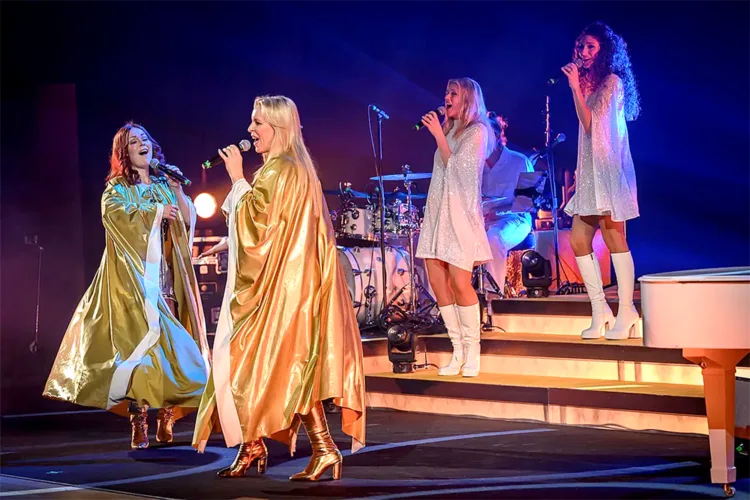
Disco at Decker coming to Iowa Central
Bell bottoms, sequins and platform shoes will have a place at Decker Auditorium when Iowa Central Community College hosts Disco at Decker, featuring Direct From Sweden: The Music of ABBA on Saturday, Oct. 24. The Iowa Central Center for Performing Arts is encouraging concertgoers to dress ...