
Trending
There's an endless list of activities athletes can engage in outside of playing on the pitch. All these activities are aimed at improving the performance of the individual athlete and the team at large. Some athletes try to gain some analysis skills by analyzing different stats and information like the MLB, NBA and NFL picks, odds and predictions. This may help them understand the chances of beating their opponents, or how to grow in their sports career. It is also important for athletes to engage in physical exercises, some of which will be discussed in this article, to boost their physical performance.
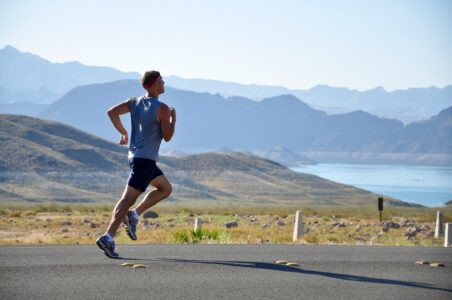
Sprinting
One of the best ways to boost your performance as an athlete is to do sprints as part of your exercise routine. It’s great for developing your quickness, agility and power – skills that are necessary for your sporting success. You may maximize the benefits of your sprinting exercises by paying attention to your form and technique. Dynamic warm-ups are the best way to get your muscles ready for the rest of your workout. When you feel comfortable with the initial warm up exercises, you can extend the distance of your sprints and practice them at full speed. To further improve your speed and agility, you can try drills like high knees and butt kicks into your workout program. After each exercise, spend a few minutes walking or stretching to cool down and help minimize muscular discomfort and injuries.
Planks and crunches
Planks and crunches are two of the best exercises to improve athletic performance in games. Planks help strengthen your core muscles, which are essential for balance and stability during sports activities. They also help build strength in your arms, shoulders, chest and back muscles. Crunches target the abdominal muscles, which are important for maintaining good posture while running or jumping. Both exercises can be done at home with minimal equipment and can be modified to suit any fitness level. To do a plank correctly, start by lying on your stomach with your elbows bent beneath you and your feet together behind you. Lift yourself up off the ground so that only your forearms and toes are touching the floor. Hold this position for 30 seconds to one minute before lowering yourself back down to the starting position. For crunches, lie on your back with your knees bent and feet flat on the floor. Place both hands behind your head or across your chest as you lift up towards the ceiling until just before you reach a sitting position. Lower yourself back down slowly before repeating again for 10-15 repetitions per set.
Visualization techniques
As a mental warm-up before competition, athletes may use this technique to envision how they will perform. Individuals can develop productive routines and enhance their capacity for focused effort. Before beginning visualization techniques, athletes should close their eyes and see themselves performing the action they will be performing. They need to visualize every facet of the game, from their surroundings to their actions during play. Sportspeople who practice this find it easier to focus on their performance and less on their mistakes and setbacks during competitions. The use of visualization techniques may help athletes relax before a big game or competition by encouraging them to imagine themselves as winners.
Plyometrics
Plyometrics involves explosive movements such as jumping, hopping, and bounding. These exercises help increase power, speed, agility, and coordination. Plyometric exercises can be done with bodyweight or with the use of weights and other equipment. Examples of plyometric exercises include box jumps, squat jumps, lateral hops, burpees and medicine ball throws. Plyometrics are an effective way to improve your game performance by increasing your strength and power while also improving your agility and coordination. They can also help reduce the risk of injury by strengthening muscles around joints. When performing plyometrics it is important to start slowly and gradually increase intensity over time as you become more comfortable with the movements.