
Iowa Renewable Fuels Association: holding steady
Iowa Renewable Fuels Association presses on despite challenges
-
-
-Photo by Tom Tierney (with permission)
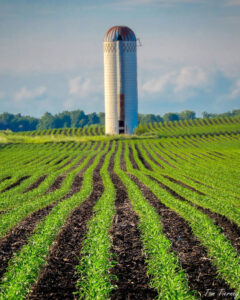
A corn field stretches across the landscape near Humboldt.
-
-
-Photo by Tom Tierney (with permission)
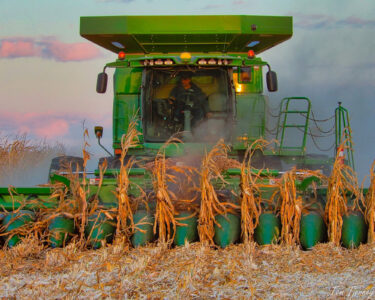
n the record books as having been one of the best corn harvests in Iowa’s history. Much of that harvest is turned into ethanol.
-Photo by Tom Tierney (with permission)
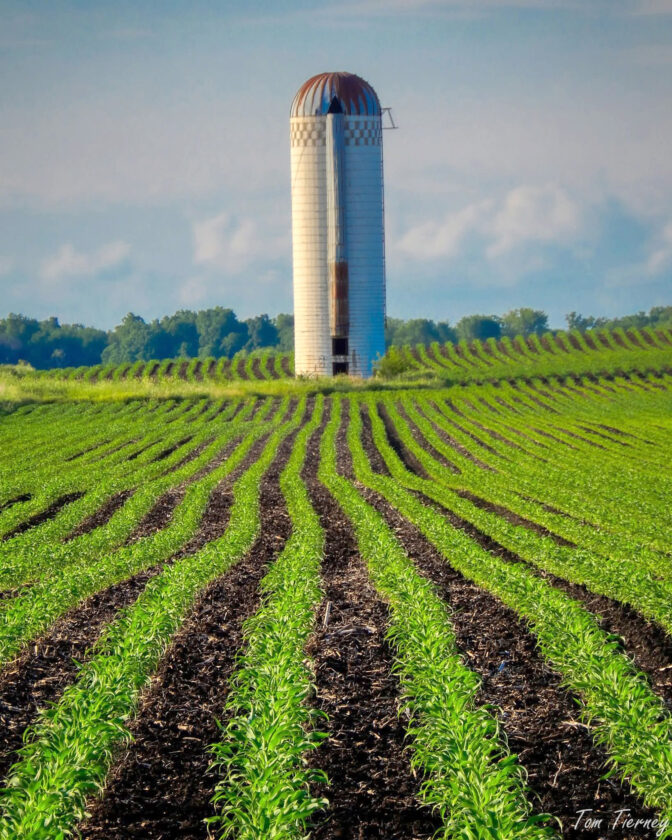
A corn field stretches across the landscape near Humboldt.
It is well known that Iowa is the largest producer of ethanol in the country.
Iowa boasts 42 ethanol refineries, and the industry supports 32,877 jobs in the state. Iowa is also home to 10 biodiesel plants and has the capacity to produce 416 million gallons annually. Ethanol and biodiesel are reported to burn cleaner, reduce greenhouse gases and save the consumer fuel costs.
Monte Shaw, who is the Iowa Renewable Fuels Association (IRFA) director, recently attended The Iowa Renewable Fuels Summit on Feb. 5 in Des Moines. At the summit, they discussed some of the impacts of 2025.
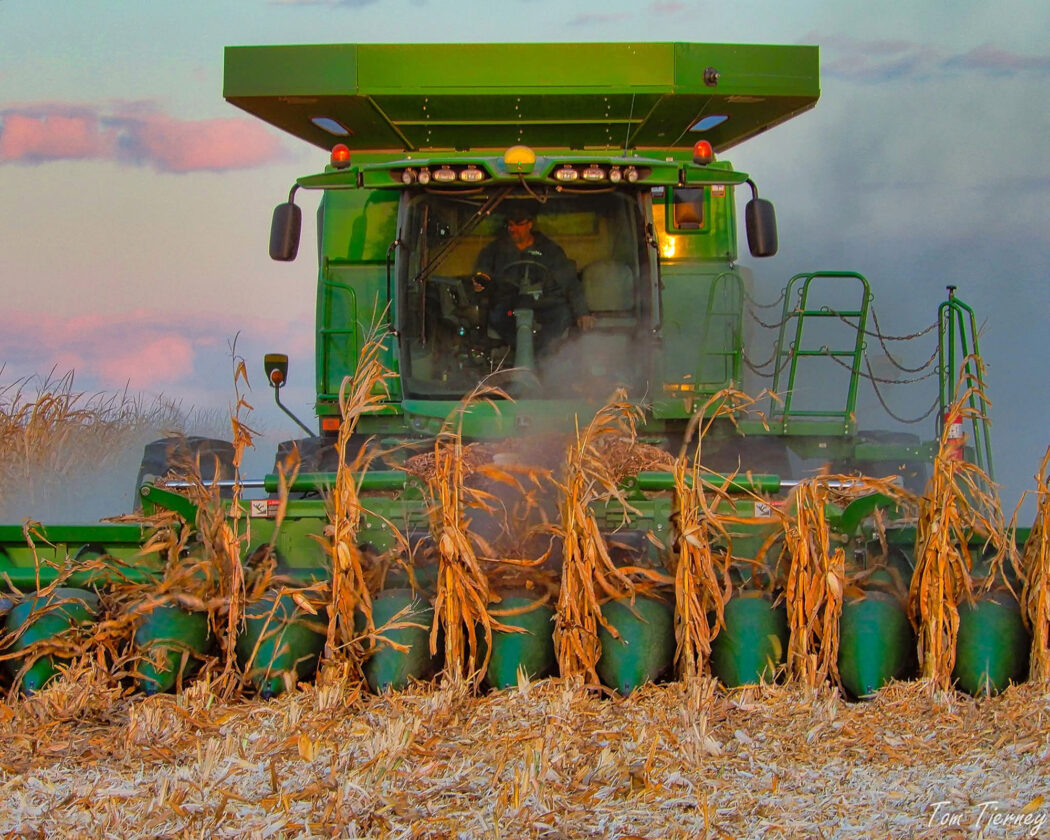
Last year went down in the record books as having been one of the best corn harvests in Iowa’s history. A surplus of grain can make a lot of ethanol, but according to Shaw, good harvests don’t always mean good prices for corn producers.
“Corn production is going up, and the solution is to use more corn. It will help consumers and producers,” Shaw said.
-Photo by Tom Tierney (with permission)
n the record books as having been one of the best corn harvests in Iowa’s history. Much of that harvest is turned into ethanol.
According to the IRFA report, Iowa produced 4.6 billion gallons of ethanol and 353 million gallons of biodiesel in 2024. Shaw explained that ethanol production in Iowa held steady at 4.6 billion gallons during 2025.
Production of biodiesel was down 31% in 2025. That puts biodiesel at a 10-year low, which Shaw states, was due largely to lack of guidance on a tax credit.
“The outlook for 2026 will look better for biodiesel if we do get guidance on the tax credit,” said Shaw.
Many ethanol refineries in Iowa are locally owned, but the ethanol made in Iowa could be marketed within the state, throughout the Midwest, coast to coast or exported throughout the world to places like Canada, South America, Europe and Japan.
The outlook for 2026
It is the aim of the Iowa Renewable Fuels Association to continue its efforts to foster partnerships and find markets. Growth will depend on the opening of new markets and restoring policy at state and federal levels. Shaw explained that the industry will need help from Congress.
Policy announcements, such as 45Z Clean Fuel Production Tax Credit and robust Renewable Fuel Standard (RFS) volumes show promise.
Shaw highlighted four areas of opportunity for potential growth in 2026. The first is unlocking new demand for E15. The IRFA Industry would like to see E15 replace E10 fuel at the pump.
“E15 is vital to the future of ethanol, farmers and rural Americans,” said Shaw.
Sustainable aviation fuel (SAF), lower-carbon marine fuel and carbon capture use and storage (CCUS) show potential for demand as well.
According to Shaw, “If renewable fuels can provide just a portion of their low carbon needs, those markets could drive demand for 20 to 30 years, even when accounting for the increased productivity of American Farmers.”
Shaw is hopeful that Iowa can grow into these markets and provide a sustainable way for producers to market their grain well into the future.
Progress 2026 Agriculture

Knob Hill: RETURNING TO THEIR ROOTS

Sioux Honey Association: Expansion on the horizon

ISU Soil Machine Dynamics Laboratory: FROM IOWA TO THE MOON
Alliant Energy Solar Farm: Promising results

Beth Doran: A Hall of Fame career