
Trending
As we near the November elections, much of the political conversation will focus on the economy, education, taxes and other issues affecting our families and communities. I would like you to consider one more question: What can we do to ensure quality health care remains available close to home?
Health care isn't a political issue - it's personal. It's the emergency room our family uses when a child is injured. It's the surgeon who cares for our parents, the nurse who lives down the street and the physician who is a family friend. It's the local cancer treatments that allow loved ones to remain close to home, rather than traveling hours for care. It's one of the most important economic engines in our community.
We understand health care is much more than what happens inside our hospital's walls, and my involvement with the Iowa Hospital Association (IHA) and American Hospital Association (AHA) gives me a seat at the table where policies affecting hospitals, patients and communities are being discussed. It gives me an opportunity - and responsibility - to bring the perspective of Fort Dodge and rural Iowa into those national conversations.
Both organizations have identified several issues that deserve the attention of voters and policymakers: Medicaid, Medicare reimbursement, rural hospital stability, health care workforce shortages, prescription drug costs, prior authorization and other administrative burdens, and policies that could unintentionally make it more difficult for hospitals to provide care.
These issues can sound complicated, but the underlying question is simple: Will these policies make it easier or harder for people in Webster County to get the care they need?
Rural Iowa needs strong community hospitals. A community hospital must be ready 24/7, and maintain emergency services, operating rooms, diagnostic technology and specialized teams. That infrastructure is critical when someone has a heart attack at 2 a.m., when a child is injured on the weekend or when a cancer patient needs timely treatment close to home.
This is why discussions about hospital reimbursement and policies such as “site-neutral” payments deserve more public attention. On the surface, paying the same amount for the same service may sound reasonable. But a hospital outpatient department carries responsibilities that an independent clinic does not -- including emergency preparedness, higher-acuity patients and the ability to provide care around the clock.
The Iowa Hospital Association reports that Medicare pays Iowa hospitals, on average, only about 82 cents for every dollar of hospital care provided to Medicare patients. We need policymakers to understand that rural hospitals are not simply another health care provider. We are part of the community’s safety net.
Medicaid matters here, too.
More than 700,000 Iowans rely on Medicaid - and for many people, it's simply the insurance that allows them to see a physician, fill a prescription or take their child to the hospital. Changes to Medicaid funding and eligibility can have consequences far beyond the individual patient. When hospitals provide care that is not fully reimbursed, those financial pressures accumulate.
The AHA’s 2026 advocacy agenda specifically calls for protecting Medicaid funding and ensuring adequate Medicaid payments so hospitals can continue serving Medicaid patients, uninsured individuals and other vulnerable populations. That should matter to every voter.
Perhaps the greatest challenge facing health care is not a building or a piece of equipment. It is people.
We need nurses, physicians, therapists, technicians, pharmacists, behavioral health professionals and many other caregivers. Both the IHA and AHA have identified health care workforce development as a critical priority, including investments in education, training, recruitment, residency programs and retention.
For communities like Fort Dodge, this means supporting programs that encourage young people to pursue health care careers, expanding training opportunities and finding creative ways to recruit and retain talented professionals. When we bring a health care professional to our community, we aren’t just filling a position - we're bringing a family, a taxpayer, a volunteer, a coach and a future community leader.
We are investing in our future.
The renovation and expansion of surgical services at UnityPoint Health - Fort Dodge is an example of a community making a significant investment in the future of local health care. These investments ensure the next generation of patients have access to modern, high-quality care right here at home.
According to IHA data, UnityPoint Health - Fort Dodge supported 1,120 local jobs and contributed $155 million to the Webster County economy in 2025.
We provided $19.6 million in community benefits, reaching more than 14,400 people through local programs and services.
Those numbers represent real people and families. Health care is an employer; a purchaser of local goods and services. It supports families and contributes to the economic vitality of our county. And, a healthy community and a healthy economy go hand in hand.
We have an opportunity this fall to ask candidates important questions:
• What will you do to protect health care access in rural Iowa?
• How will you strengthen Iowa’s health care workforce?
• How will you make health care more affordable without reducing access or quality?
• How will you address Iowa’s cancer rates?
• How will you protect rural hospitals from policies that could unintentionally reduce services or access?
And perhaps most importantly: What is your vision for health care in communities like Fort Dodge five or 10 years from now?
My involvement with IHA and AHA has reinforced something I already knew from nearly three decades in health care: the decisions made in Des Moines and Washington do impact our communities. They show up in a hospital budget or the number of nurses we can hire - or they determine whether we can offer a service locally and if our health care system will be sustainable for the next generation.
I believe health care deserves a thoughtful conversation this election. One about people - because health care is personal. The decisions we make today will influence the health care system our children, grandchildren and neighbors depend upon for years to come.
This fall, I hope we look beyond political labels and campaign slogans and ask candidates questions that matter deeply to Webster County: What will you do to make sure that when our families need health care tomorrow, it will still be here -- close to home, high-quality and accessible to everyone who needs it?
That is a conversation worth having before we cast our votes.
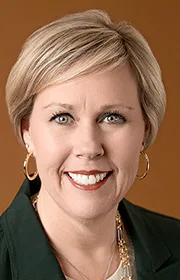
Leah Glasgo is the UnityPoint Health -- Fort Dodge market president.