
Western Pennsylvania revolutionized energy extraction with new techniques, technology
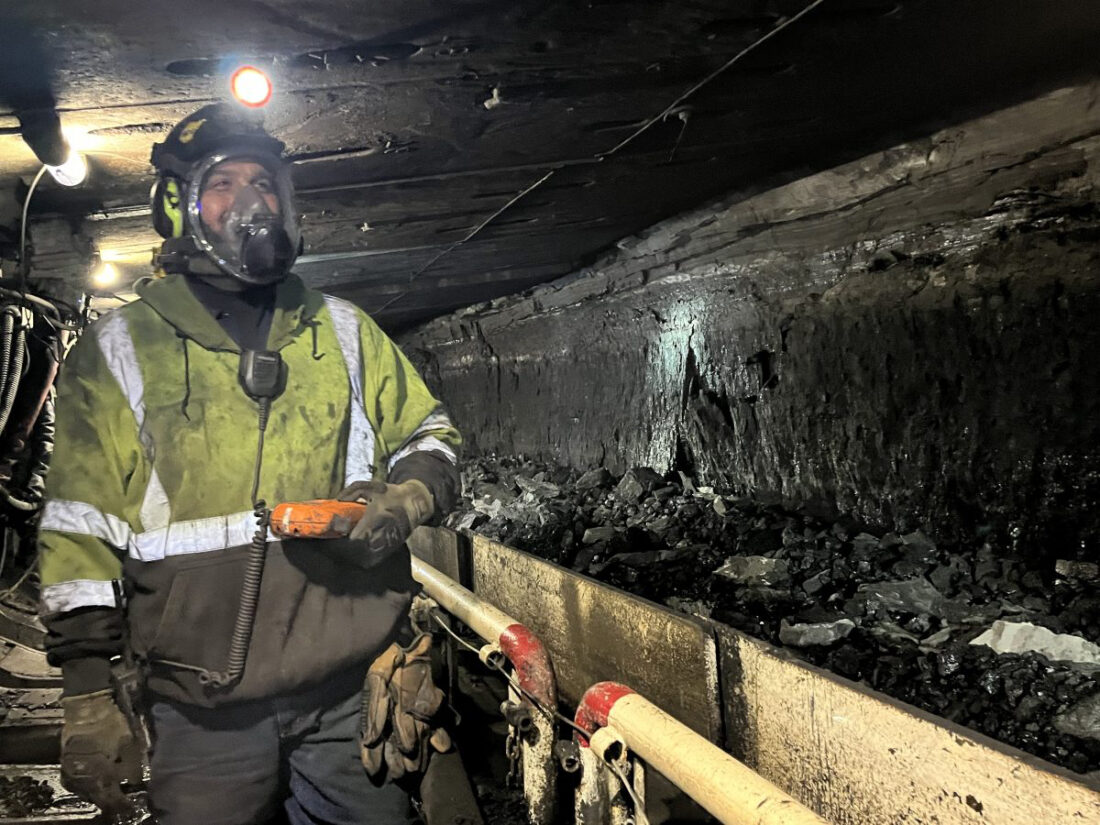
-Photo by Karen Mansfield/Observer-Reporter <br> Longwall shearer operator Chad McKenzie works in Consol Energy’s Enlow Fork mine along the border of Washington and Greene counties in Western Pennsylvania.
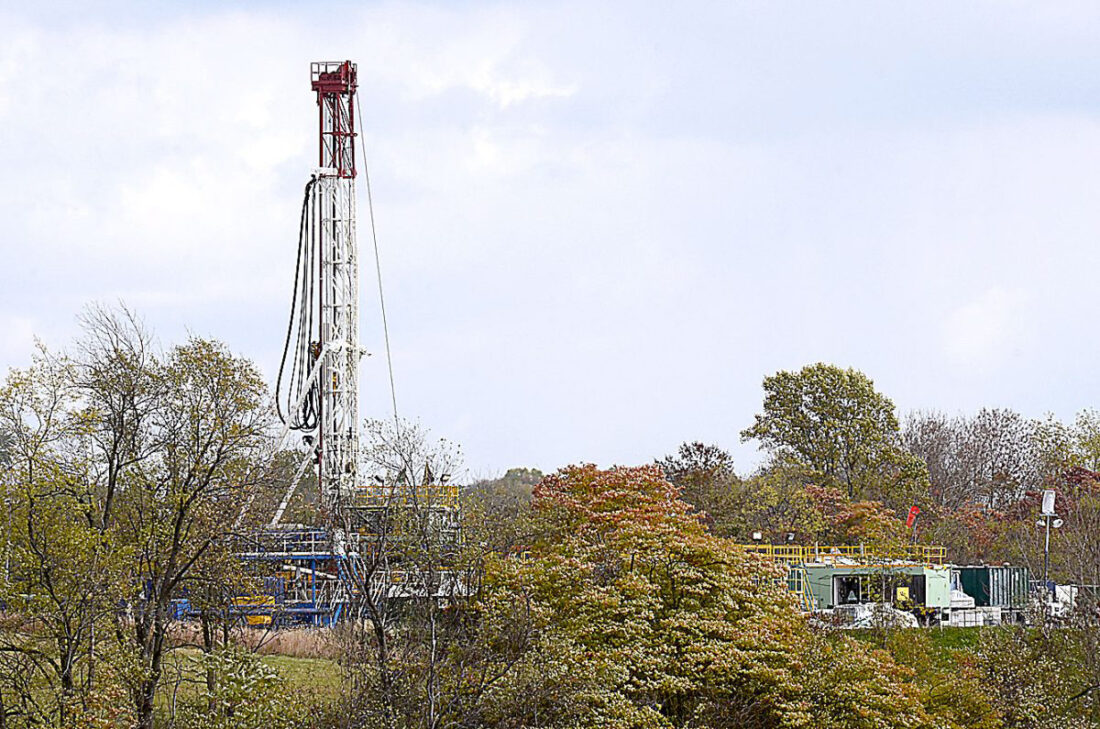
-File photo <br> A Marcellus Shale well is drilled in Washington County, Pennsylvania, in this undated file photo.
-Photo by Karen Mansfield/Observer-Reporter <br> Longwall shearer operator Chad McKenzie works in Consol Energy’s Enlow Fork mine along the border of Washington and Greene counties in Western Pennsylvania.
-File photo <br> A Marcellus Shale well is drilled in Washington County, Pennsylvania, in this undated file photo.
Trending
Editor's note: America would not be the nation it is today without its vast stores of natural resources. But those resources would have done us little good without individuals and companies willing to take risks. Much of that happened in Western Pennsylvania, where leading developments in the extraction of oil, coal and natural gas took place. We'll explore that this week as we continue to build up to America's semiquincentennial on July 4, 2026.
America would not be the nation it is today without its vast stores of natural resources. Coal, timber, oil and natural gas have fueled America for generations.
When it comes to coal, oil and natural gas, Western Pennsylvania has always played a pivotal role in creating revolutionary techniques to extract the minerals below.
A look into the recent past is all it takes to show the impact. More than two decades ago, a first-of-its-kind natural gas well was drilled in the hills of Washington County, Pa., tapping into a hard-to-reach shale formation that unleashed a gold rush of natural gas extraction across the nation.
Hydraulic fracturing, or fracking, dated to the 1860s in the United States, and scientists for decades had known about the Marcellus Shale formation that runs through the heart of northern Appalachia.
But in early October 2004, Range Resources Corp. utilized horizontal drilling on the Renz farm near Hickory, Pa., and fracked its first well, setting the table for the ongoing natural gas boom.
The Marcellus is the second-largest natural gas formation in the world, with the play stretching 31,000 square miles from southern West Virginia past eastern Ohio through western Pennsylvania and extending to the Finger Lakes of New York. An estimated 489 trillion cubic feet of natural gas is captured in the shale formation, which would be enough to power the country for 20 years, according to studies.
But before the Renz No. 1 Well first tapped into the bountiful Marcellus Shale, there was another famous well in Western Pennsylvania that changed the way the world is powered.
More than a hundred miles or so north of Hickory sits the famous Drake Well near Titusville, Pa., where 145 years earlier, Edwin Drake struck oil, leading to the modern-day petroleum industry. Striking oil at a depth of just under 70 feet, the Drake Well wasn't particularly deep, but it was immensely consequential.
The natives and European settlers had known about petroleum for centuries, as oil sometimes had seeped out of the ground naturally and was collected.
Samuel Kier was the first to develop a still for refining crude oil, according to the American Chemical Society. A plaque erected in his honor in Pittsburgh tells the importance of Kier's work with his cast-iron distillation unit in the 1850s.
Kier started with a one-barrel still that produced kerosene for lamp fuel, but he eventually constructed a five-barrel unit while also devising a lamp that cut down on the amount of smoke and odor emitted during burning.
"Kier's refining process touched off the search for more dependable sources of crude oil, which led to the drilling of the nation's first oil well in Titusville, Pennsylvania," the American Chemical Society plaque reads in Pittsburgh.
That led to Drake's quest to drill a commercially viable well as the demand for oil increased for a variety of uses, such as heating, lighting, fuel and even medicinal purposes. Drake used a salt-well drilling technique on his first well that struck oil on Aug. 27, 1859.
"These two technologies -- refining and drilling -- made western Pennsylvania the undisputed center of the early oil industry," the ACS plaque reads.
Back to the south in Washington County, a state-of-the-art technology in the 1940s helped to transform the way miners extract coal from the ground.
The invention of the continuous miner machine by Harold F. Silver of Denver in 1943 spurred on mechanized extraction of coal rather than the more labor intensive and dangerous work by hand. Silver sold his patent three years later to Joseph F. Joy, who developed prototypes from the original machine and improved it through his Joy Manufacturing Co. in Pittsburgh.
The machine had only been tested at that point, but by 1948 it was ready for work. The 20-ton "Joy Continuous Miner" running on caterpillar treads got its first taste of coal that year in Daisytown, Pa., where it was deployed in an operating underground mine owned by the Pittsburgh-based Consolidated Coal Co., according to an April 5, 1948, article in Time Magazine.
"It has powerful cutting arms which first dig into the face of a seam at floor level, then cut their way up to the roof. As it is cut and broken, a conveyor system carries the coal back over the machine directly into cars, in which it is hauled to the surface," Time wrote about the new machine. "More important, it entirely eliminates blasting and all its dangers."
The successful operation of the continuous miner coincided with a strike at a Consolidated Coal mine in March 1948, which appeared to be the perfect opportunity to introduce the new machine.
"The timing could hardly have been better. Last week, in the second week of the coal strike, the Pittsburgh Consolidated Coal Co. let it be known that it had conducted successful experiments with a new machine which cuts, crumbles and loads coal in one continuous operation," according to the Time article.
But it also eventually led to changes in the mining industry as the process became more automated. As the magazine article pointed out at the time, the machine only required two operators with additional workers to handle the cars, conveyor belts and roof work. But the article predicted at the time that the continuous miner could displace as many as half of the current miners working in America.
But it went much further than that. In 1950, there were about 400,000 miners working in America. Today, there is less than 10% of that number with about 38,000 people working in coal mines.
"The machine promised to revolutionize the mining industry, which is already highly mechanized, and make mere button-pushers out of miners," the Time article predicted in 1948.
These innovations in extracting oil, coal and gas paved the way not only for America's industrial growth, but also in quality of life. They continue today to keep the nation at the forefront of innovation and more, particularly with the push to mine more rare earth minerals for the chip industry.
This has been such an interesting journey through our nation's history. Next week, in our final installment in this series before we join you in officially celebrating America's 250th anniversary on the Fourth of July, we'll look at how America has led the world in innovation. From putting a man on the moon to developing vaccines and so much more, our ingenuity -- powered in many ways by the minerals we pull from the ground -- has kept America at the forefront of improving life for all.