
Railroads were key to the growth of Fort Dodge
City once saw 35 passenger trains a day
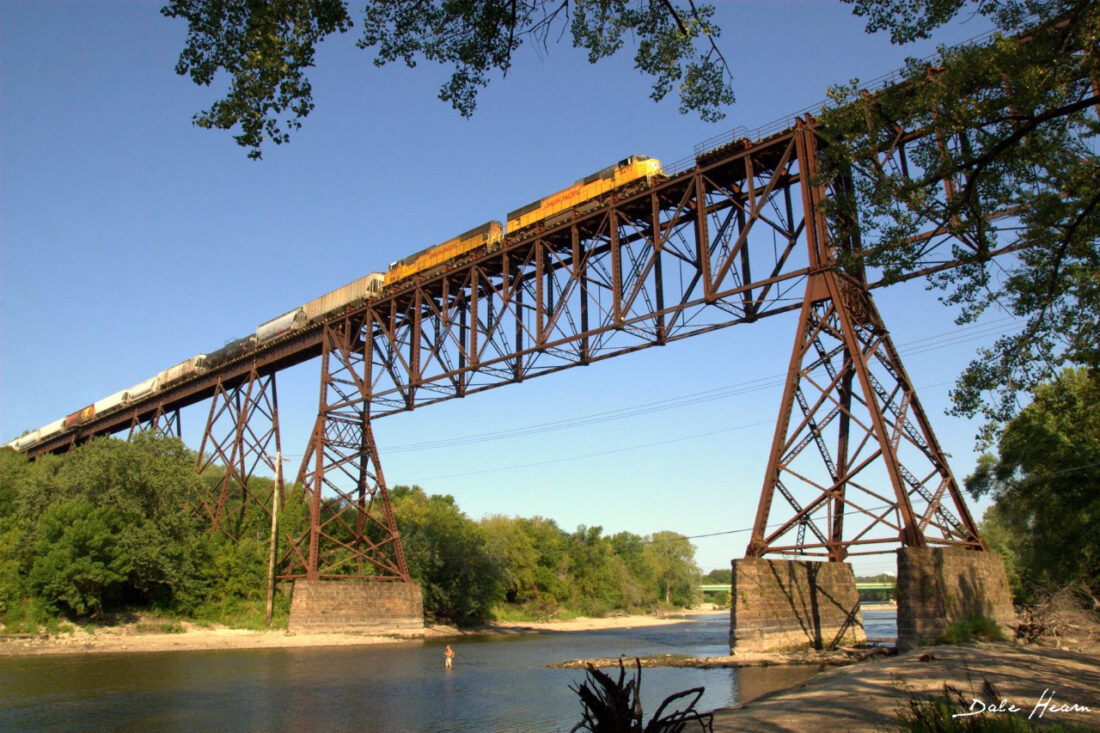
-Messenger file photo <br> The High Bridge in Fort Dodge was built by the Chicago Great Western Railroad in 1902. It towers 138 feet above the Des Moines River and the Pleasant Valley neighborhood. The bridge is 2,582 feet long. It is used every day by the Union Pacific Railroad.
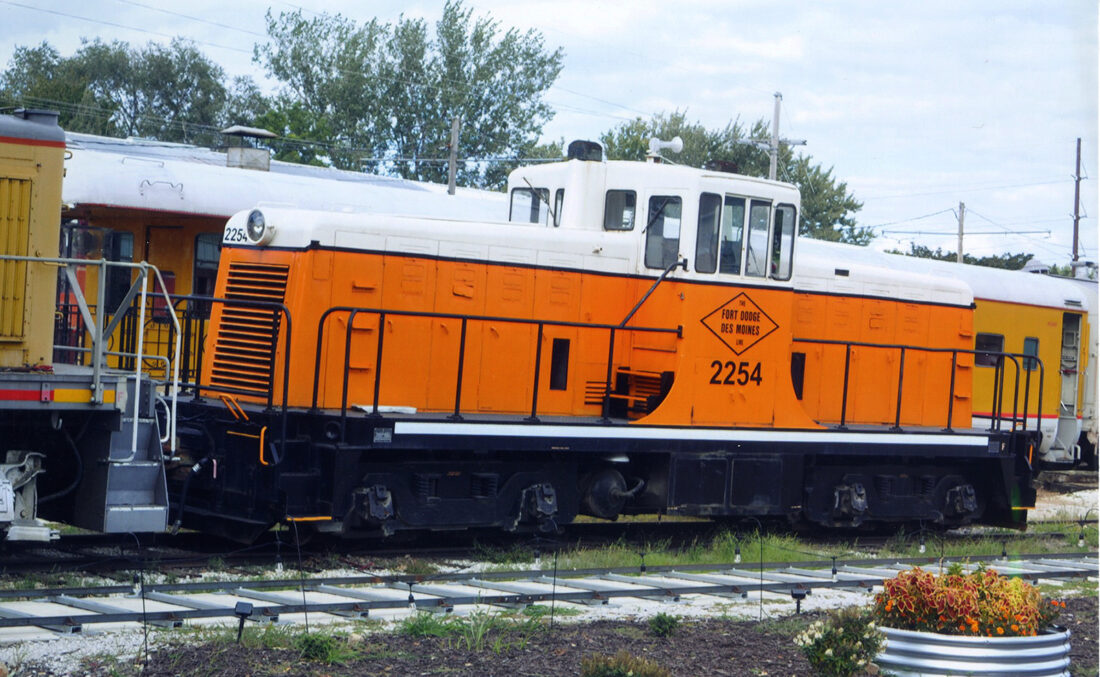
-Messenger photo by Bill Shea <br> This former Fort Dodge, Des Moines and Southern center cab locomotive is in the collection of the Boone & Scenic Valley Railroad in Boone.
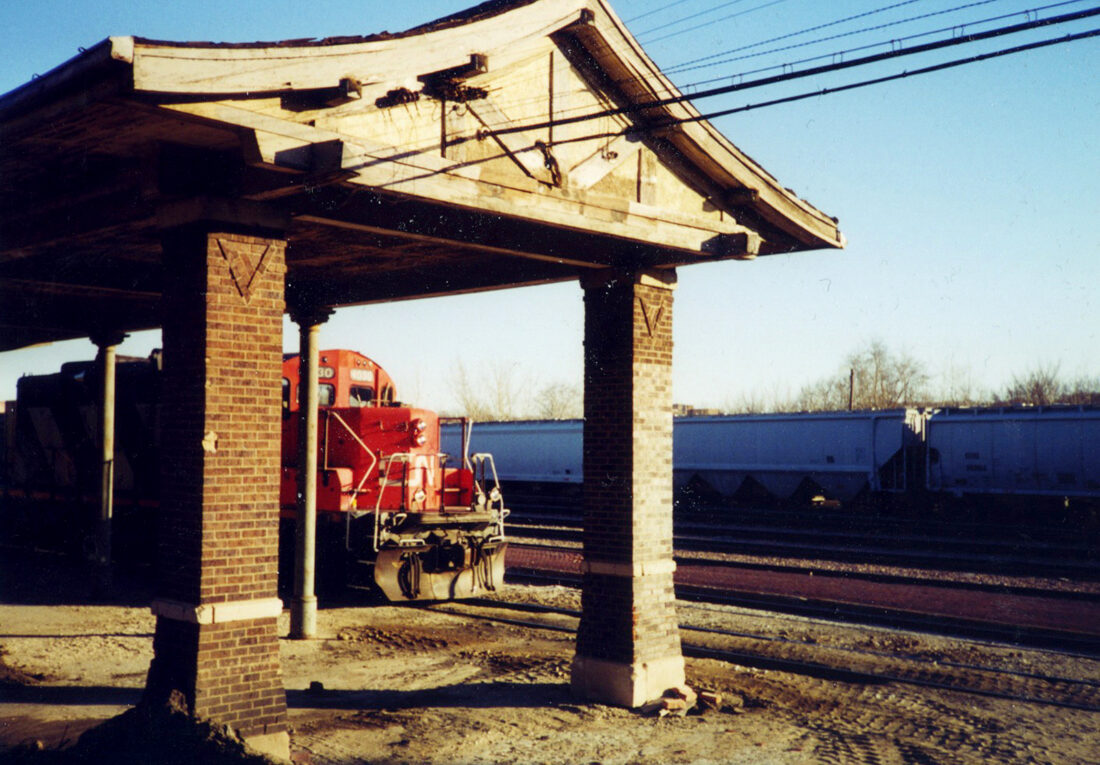
-Messenger photo by Bill Shea <br> A Canadian National Railway locomotive is seen through the columns of the former Illinois Central Railroad station in Fort Dodge. Canadian National took over the property in 1998 when it bought the Illinois Central. The station, which was built in 1911, was demolished soon after that. The Canadian National still uses the nearby railyard.
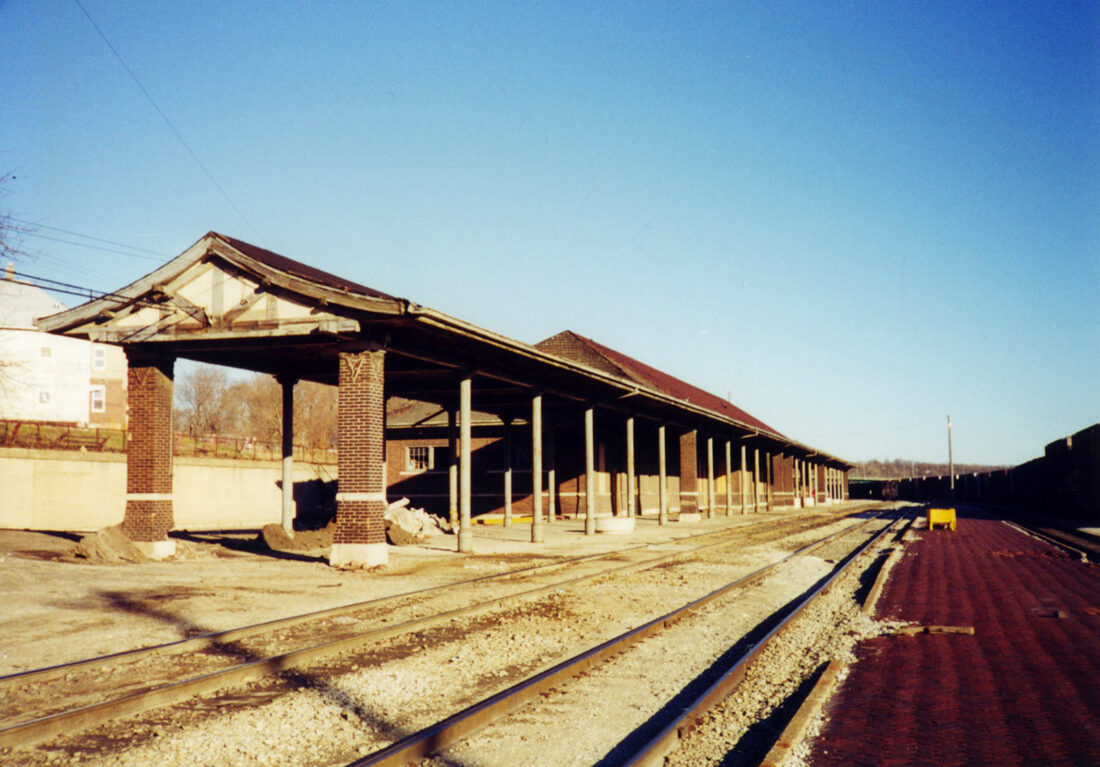
-Messenger photo by Bill Shea <br> The Illinois Central Railroad station near Fourth Street and Fourth Avenue South is shown shortly before its demolition in the late 1990s. The station was built in 1911.
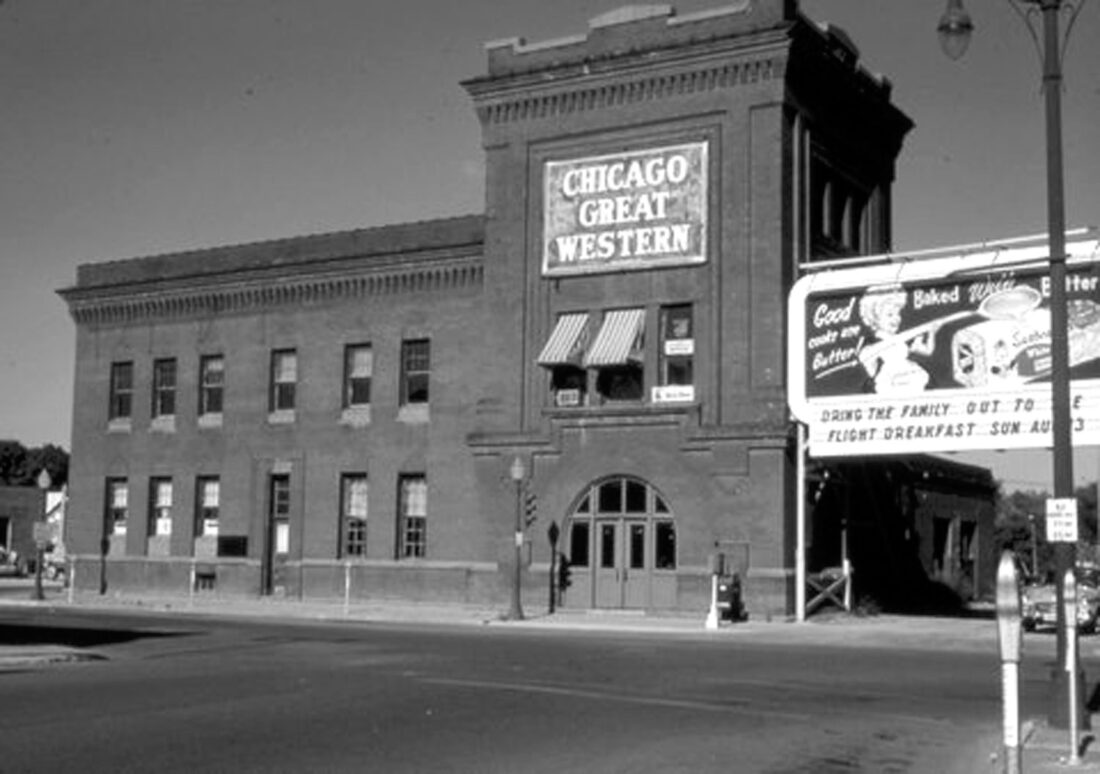
-Messenger file photo <br> The Chicago Great Western Railroad station sat at the intersection of Central Avenue and 12th Street. The tracks extended east from the station. This building was constructed in 1905 and was demolished in 1964.
-Messenger file photo <br> The High Bridge in Fort Dodge was built by the Chicago Great Western Railroad in 1902. It towers 138 feet above the Des Moines River and the Pleasant Valley neighborhood. The bridge is 2,582 feet long. It is used every day by the Union Pacific Railroad.
-Messenger photo by Bill Shea <br> This former Fort Dodge, Des Moines and Southern center cab locomotive is in the collection of the Boone & Scenic Valley Railroad in Boone.
-Messenger photo by Bill Shea <br> A Canadian National Railway locomotive is seen through the columns of the former Illinois Central Railroad station in Fort Dodge. Canadian National took over the property in 1998 when it bought the Illinois Central. The station, which was built in 1911, was demolished soon after that. The Canadian National still uses the nearby railyard.
-Messenger photo by Bill Shea <br> The Illinois Central Railroad station near Fourth Street and Fourth Avenue South is shown shortly before its demolition in the late 1990s. The station was built in 1911.
-Messenger file photo <br> The Chicago Great Western Railroad station sat at the intersection of Central Avenue and 12th Street. The tracks extended east from the station. This building was constructed in 1905 and was demolished in 1964.
Trending
When the first locomotive rumbled into Fort Dodge spewing smoke and steam on a summer day in 1869, the community was finally connected to the rest of the country in a reliable way.
The arrival of the railroads helped launch a long growth spurt in Fort Dodge.
The city was served by four railroads at one time. In 1915, 35 passenger trains stopped in Fort Dodge every day.
A homegrown railroad, the Fort Dodge, Des Moines and Southern, became the largest interurban line in the state.
First to arrive
The first railroad to reach Fort Dodge was the Iowa Falls and Sioux City. It began serving the city in August 1869.
That railroad was a subsidiary of the much larger Illinois Central Railroad. After about a year, the Iowa Falls and Sioux City name was dropped in favor of Illinois Central.
In 1911, the Illinois Central built a passenger station near Fourth Street and Fourth Avenue South. A big freight shed was built nearby. Also nearby was a kind of garage for locomotives called a roundhouse.
Passenger traffic steadily dwindled after World War II as highways and airlines became the public's preferred ways of travel.
The last passenger train stopped in Fort Dodge in 1968.
In 1986, the roundhouse was demolished. The passenger station and the freight shed followed in the late 1990s.
In 1998, the Illinois Central was purchased by the Canadian National Railway, which still operates the railyard that can be easily seen from the Kenyon Road Bridge..
Chicago Great Western
The intersection of Central Avenue and 12th Street may seem a little off kilter in a downtown full of intersections that are perfect 90 degree angles. And there's the Veterans Triangle Park nearby which lives up to its name as a triangle that honors former servicemembers.
These features are the lingering results of the fact that the city's other railroad station, belonging to the Chicago Great Western Railroad, once sat there. That depot was built in 1905 and was demolished in 1964.
The railroad also left another lasting impact on the Fort Dodge landscape -- the High Bridge. It was built in 1902 and is still used by the Union Pacific Railroad.
The Chicago Great Western began serving Fort Dodge in 1886.
Minneapolis and St. Louis
This railroad had its facilities just south of the Illinois Central yard in Pleasant Valley.
Often known as the M & St. L, it acquired the much smaller Fort Dodge and Fort Ridgely Railroad in 1879. The smaller railroad was just starting to build north of Fort Dodge at the time. The M and St. L quickly finished the construction and began serving Fort Dodge in 1880.
In the 1960, the railroad was merged into the Chicago Great Western and later Chicago Northwestern.
Fort Dodge, Des Moines and Southern
The Fort Dodge, Des Moines and Southern connected its two namesake cities, plus a lot of other places in between. At its peak, it was the largest interurban railroad in the state.
Its origins can be traced to the much smaller Crooked Creek Railroad in Webster County. Chartered in 1875, it ran from the small village of Judd to Lehigh.
The Crooked Creek was a narrow gage line. In railroad parlance, gage refers to the distance between the two rails that trains travel on. The standard gage is four feet, eight and a half inches. But the Crooked Creek had a three-foot gage.
In 1892, the Crooked Creek bought the Webster City and Southwestern. The Boone Valley Coal and Railroad Co. was added later.
For awhile, the railroad was known as the Newton and Northwestern.
In 1905, new owners named it Fort Dodge, Des Moines and Southern.
In 1968, the line was acquired by the Chicago and Northwestern Railroad. The line was abandoned in 1983, but the section between Wolf and Boone became today's Boone & Scenic Valley Railroad, which operates a music and offers rides to visitors.
Chicago Northwestern and Union Pacific
The Chicago Northwestern Railroad started serving Fort Dodge after acquiring the Chicago Great Western, Minneapolis and St. Louis and the Fort Dodge, Des Moines and Southern in the 1960s.
The Union Pacific Railroad was created in 1862, when President Abraham Lincoln signed the Pacific Railroad Act. launching the construction of the Transcontinental Railroad. The Union Pacific was to build west from Omaha, Nebraska, while the Central Pacific was to build east from California.
Despite its long history in the Midwest, the Union Pacific did not come into Fort Dodge until 1995, when it bought the Chicago Northwestern. It continues to serve Fort Dodge and the surrounding area today.