
Dairy goats a year-round commitment
Saathoffs’ show goats have earned their ‘legs’
-
-
-Messenger photo by Elizabeth Adams
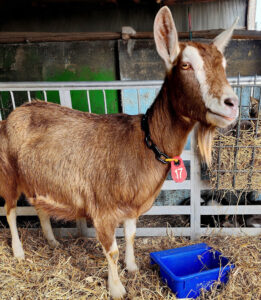
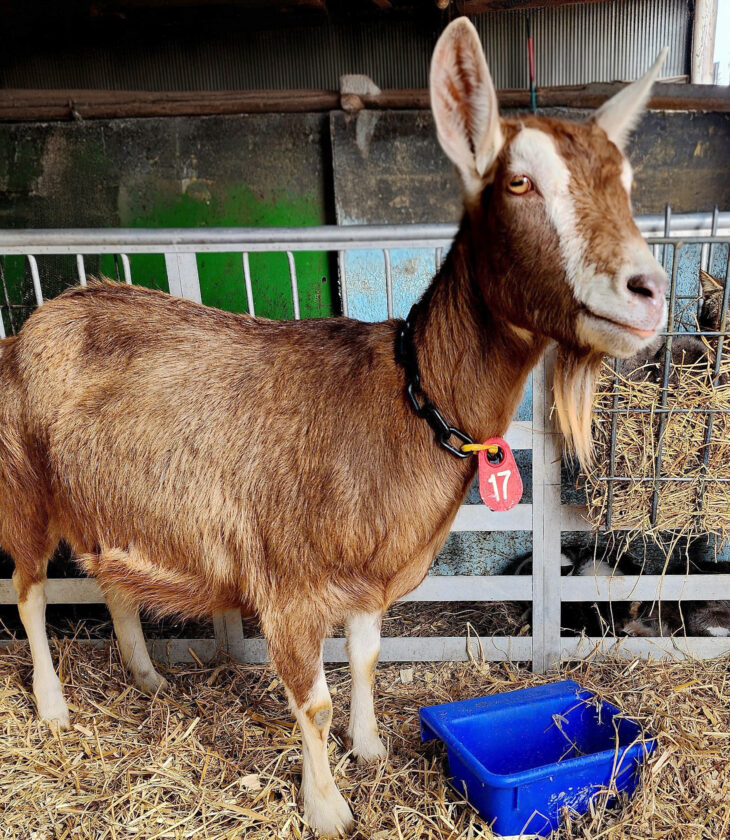
A Toggenburg doe stands in the kidding pen. Toggenburg goats are a Swiss breed of standard dairy goats that originated in Switzerland. It is a well-established breed and was imported to the U.S. during the early 1900s. They are prized for their gentle nature, cold hardiness and their high volume of milk production.
-
-
-Photo courtesy of Susan Saathoff
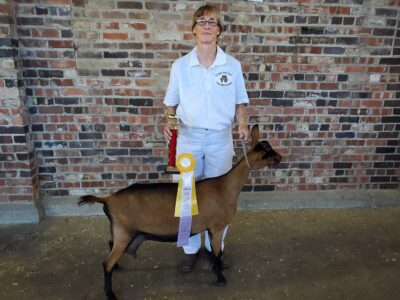
Susan Saathoff has won many awards while showing her goats at American Dairy Goat Association sanctioned shows around the state.
-
-
-Photo by Susan Saathoff
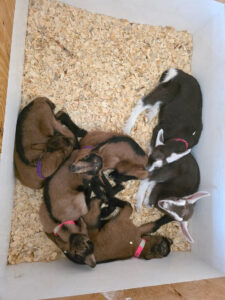
Oberhasli kids (left) and Toggenburg kids (right) share a cozy space.
-Messenger photo by Elizabeth Adams
A Toggenburg doe stands in the kidding pen. Toggenburg goats are a Swiss breed of standard dairy goats that originated in Switzerland. It is a well-established breed and was imported to the U.S. during the early 1900s. They are prized for their gentle nature, cold hardiness and their high volume of milk production.
CLARE — It is a busy day on John and Susan Saathoff’s farm.
Susan Saathoff is watching three does carefully, because they are in labor. The barn is cozy and dry in comparison to the mud and wind outdoors, which is good for the Toggenburg in the back stall who is really close to kidding.
The other goats in pens are in different stages of labor and pawing around anxiously waiting for their moment.
The Saathoffs began to raise goats in 2013.
“We had some Nigerian dwarf goats to begin with,” said Saathoff.
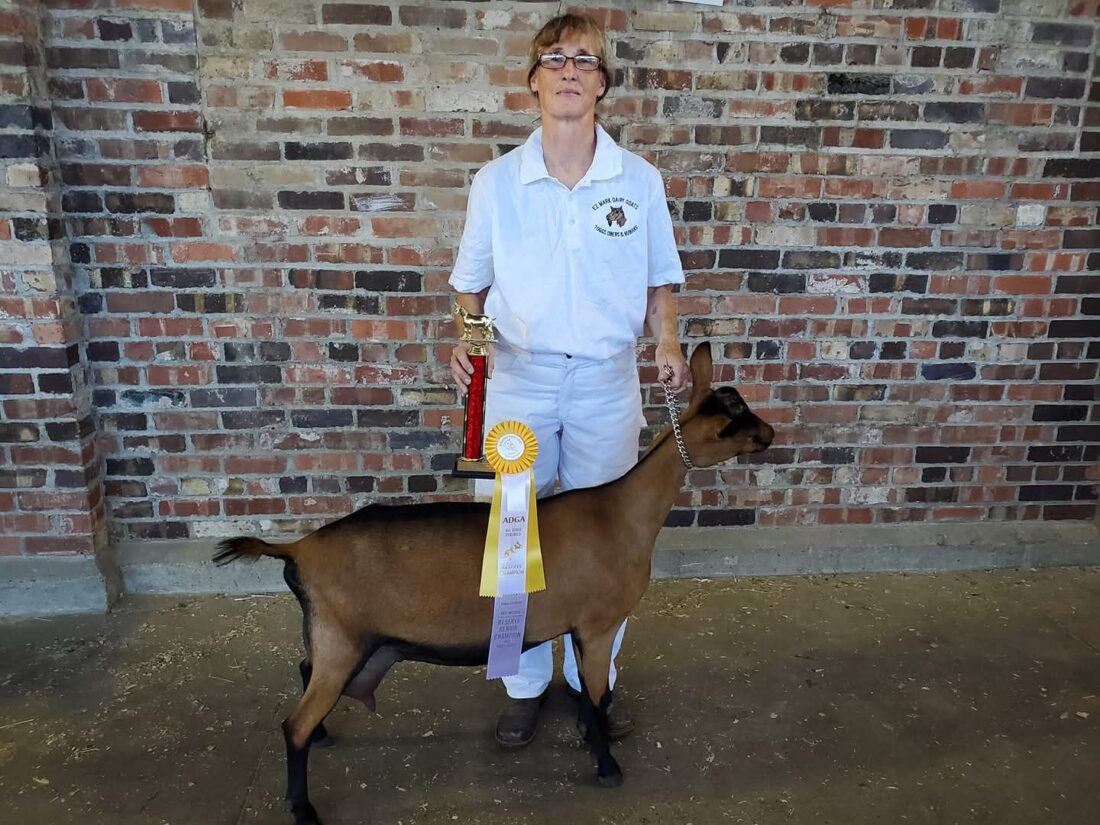
-Photo courtesy of Susan Saathoff
Susan Saathoff has won many awards while showing her goats at American Dairy Goat Association sanctioned shows around the state.
A few years later, they purchased their first standard dairy breed goats — Toggenburgs. Saathoff chose the Toggenburg breed because she had been milking her Nigerian goats and she needed more milk for making soap. Toggenburg goats are a Swiss breed of standard dairy goats that originated in Switzerland. It is a well-established breed and was imported to the U.S. during the early 1900s. They are prized for their gentle nature, cold hardiness and their high volume of milk production.
In addition to the Toggenburg breed, the Saathoffs also raise Oberhasli Brienzer goats. Oberhasli goats are another type of standard dairy breed that originated in Switzerland. They are also prized for their gentle nature and high butter fat content in their milk.
“Oberhasli’s are a little calmer than the Toggenburgs,” Saathoff said.
She said that the Toggenburgs are definitely more entertaining with their antics.
The Saathoffs have put a lot of work into their herd. They work hard to maintain breed standards, health and the general happiness of their goats.
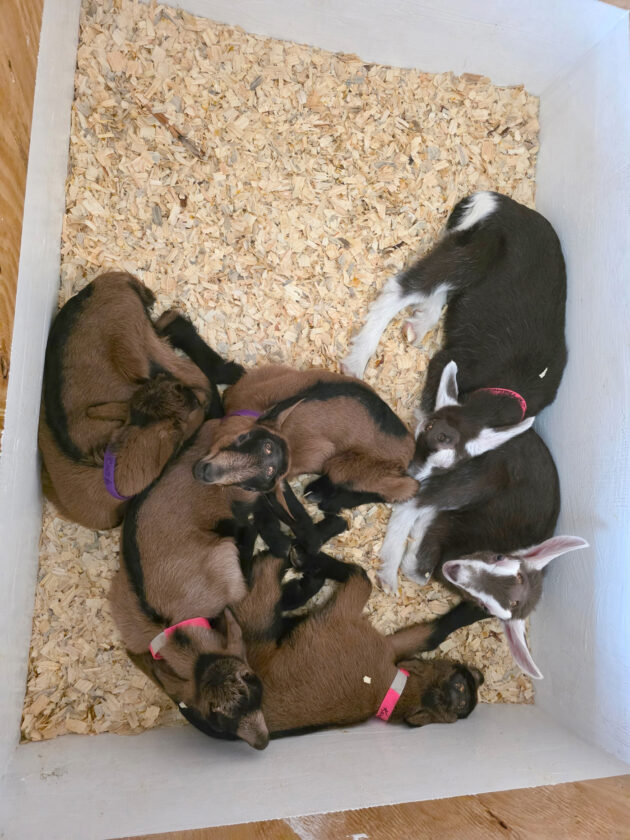
-Photo by Susan Saathoff
Oberhasli kids (left) and Toggenburg kids (right) share a cozy space.
The Saathoffs show their goats at American Dairy Goat Association sanctioned shows around the state.
That’s how their prized Oberhasli has received all its “legs.” Receiving “legs” refers to obtaining a permanent, life-time championship and sets the standard in the show ring.
Working with local youths has been important to the Saathoffs. Every May, the couple host a showing/fitting workshop for 4-H youth at their farm. Youths get hands-on experience, learning how to set a goat, leading, and fitting for their own showing purposes.
Additionally, the Saathoffs donate a goat-kid to the AGDA’s Share-A-Kid program. Through an application process, the program offers a kid for 4-H’ers to show during the summer show season.
Aside from showing, raising and milking goats has its purposes. Saathoff uses the milk to make a moisturizing, goat-milk soap that she sells. She also uses goat milk for cooking and baking; making cheeses, butter, bread, cinnamon rolls and even ice cream.
While milking is part of the gig (twice a day), Saathoff explained that her favorite time of the year is when the babies are born.
Dairy animals must be freshened every year, (have a baby) so they can produce milk. The health of the doe is important, and so is caring for their offspring.
“Dairy goats are definitely not the type of animal you can just purchase and show and be done with them until next season,” said Saathoff.
Working dairy goats is demanding, and it requires year-round commitment.
The beginning of the new year brings quiet maintenance and allows time for cleaning and getting supplies ready for kidding. Kidding begins in February and that can last through April.
Milking begins right after kidding and continues through the fall. June through September are the showing months for the Saathoffs. Fall is breeding time; then things settle down until the new year.
And the cycle begins again.
Local News
Go and Do: April 3, 2026
Around the area CLARION — The Spring Coin Show will be held from 9 a.m. to 4 p.m. SATURDAY at the Heartland ...

Mental exam ordered for McCuddin
Dairy goats a year-round commitment
Bringing the zoo to Friendship Haven
Ag in the Classroom brings Earth Day to life