
Seeking role models
Mentoring program in need of volunteers
Trending
It doesn't take much to make a positive impact on a kid's life.
When Carter Anderson, a senior at Fort Dodge Senior High, heard the school district's mentoring program had a shortage of volunteers and an abundance of students needing mentors, he decided to step up.
That was last year and Anderson was paired with a student at Cooper Elementary School. As a junior, Anderson was already enrolled in several college classes, which created some free time in his daily schedule, which gave him plenty of opportunities to spend time mentoring. His senior year schedule has created similar opportunities.
"It makes me feel good," Anderson said of mentoring. "I'm doing it for him, but also at the same time, it's benefiting me so much because I have so much fun with him."
Anderson said he and his student will sometimes play basketball or eat lunch together.
"I think it's cool when he shows me all his friends and brags about me a little bit," Anderson said.
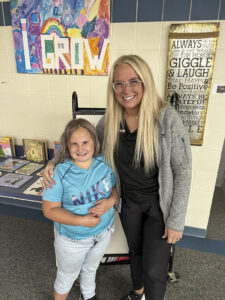
The Fort Dodge Community Schools Mentoring Program, formerly known as BRIDGES, was established by Corey Moody back in 1994. Moody, student services and case manager at Fort Dodge Senior High, pairs an adult in the Fort Dodge community with a student who just needs a little extra support and encouragement.
"We're not trying to replace anybody, we're just trying to add a positive role model to the young person's life," he explained. "We have so many kids that just need a lot of assurance and have a lot of needs."
Students are referred to Moody by their teachers, school counselors, principals and parents. The students range from elementary school all the way through high school. There's never a shortage of students in need of a mentor, Moody said.
However, there is a shortage of adults volunteering to be mentors. Last year, Moody discovered a previously untapped resource and began inviting upperclassmen to volunteer to be mentors.
While the high school mentors will likely only work with their student for a year -- or maybe more if they remain nearby after graduation -- their impact is still huge, Moody said.
Many students have been with their mentors for several years. Emily Friesth, a freshman at FDSH, has been meeting with Nancy Siefert since she was in first grade.
"It's helped my mental health a lot," Friesth said of having a mentor. "It helps with social anxiety."
Friesth was able to reach out to Siefert for encouragement this summer when she began feeling nervous about starting at the high school.
Siefert had just retired when she saw a story in The Messenger about the need for mentors and she felt like she'd be a good fit, so she reached out to Moody to get started. Since being paired with Friesth, she's enjoyed how their friendship has grown and how she's gotten to know Friesth's parents too.
"I think we've got a pretty cool relationship," Siefert said. "We just clicked from the get-go."
Seifert said she's trying to encourage some of her retired friends to volunteer as well.
"I think it's a great program," she said. "I'm really glad that I did this."
Currently, Moody said, he's hoping to recruit 25 new mentors to pair with students on the waiting lists. He said there's a waiting list at each school in the district.
Anyone is welcome to become a mentor. Moody said he's had students from Iowa Central Community College, retired community members and even law enforcement members serve as mentors.
To volunteer as a mentor, those interested just need to fill out a mentoring application and go through a simple background check. Once approved, Moody will work with them to find a good match with a student and do a short training with the mentor before they go into the school.
The time commitment is just 45 minutes to an hour a week. Most mentors just visit their students at school during the school day, sometimes even just over a lunch break. They'll chat, help them with their homework, play games, read to them -- whatever works best for the pairings.
Anyone interested in becoming a mentor can reach out to Moody at the high school. His number is 515-574-5469 or email him at cmoody@fdschools.org.