
Another turn
Once upon a time there was a windmill or two on every farm
-
-
-Messenger photo by Hans Madsen
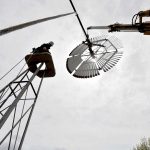
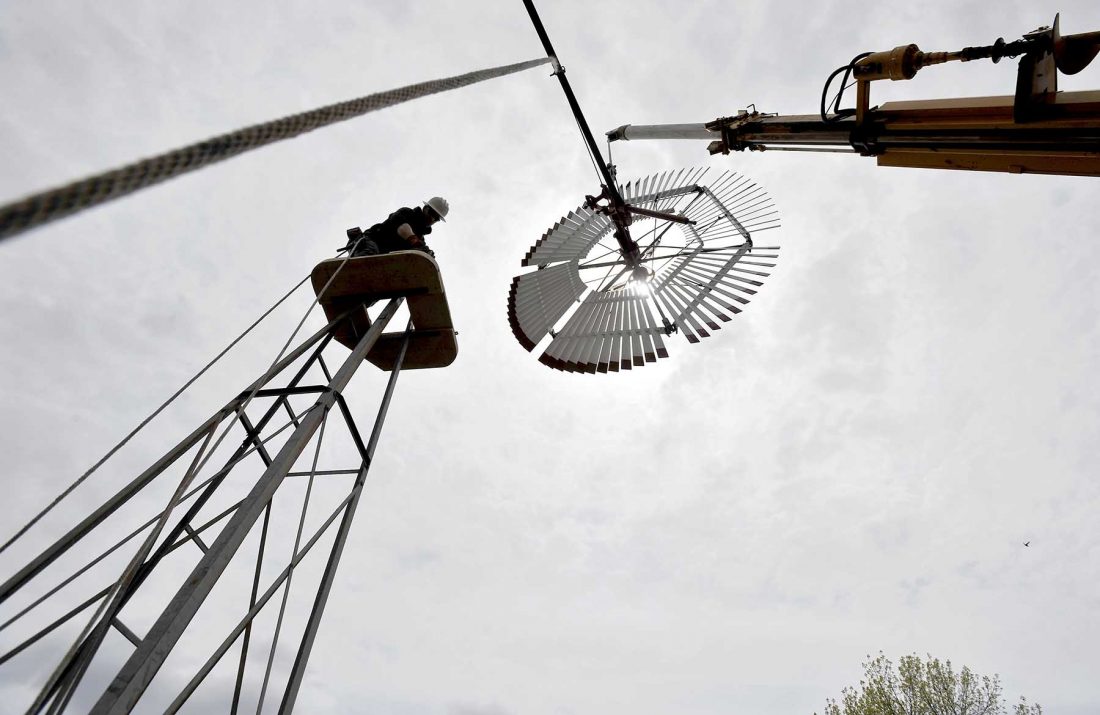
Phil Gehman, with Great Plains Windmill Service, perches atop the tower at the Fort Museum and Frontier Village Tuesday as the newly-restored windmill is lifted into place.
-
-
-Messenger photo by Hans Madsen
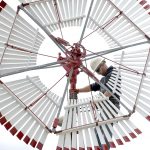
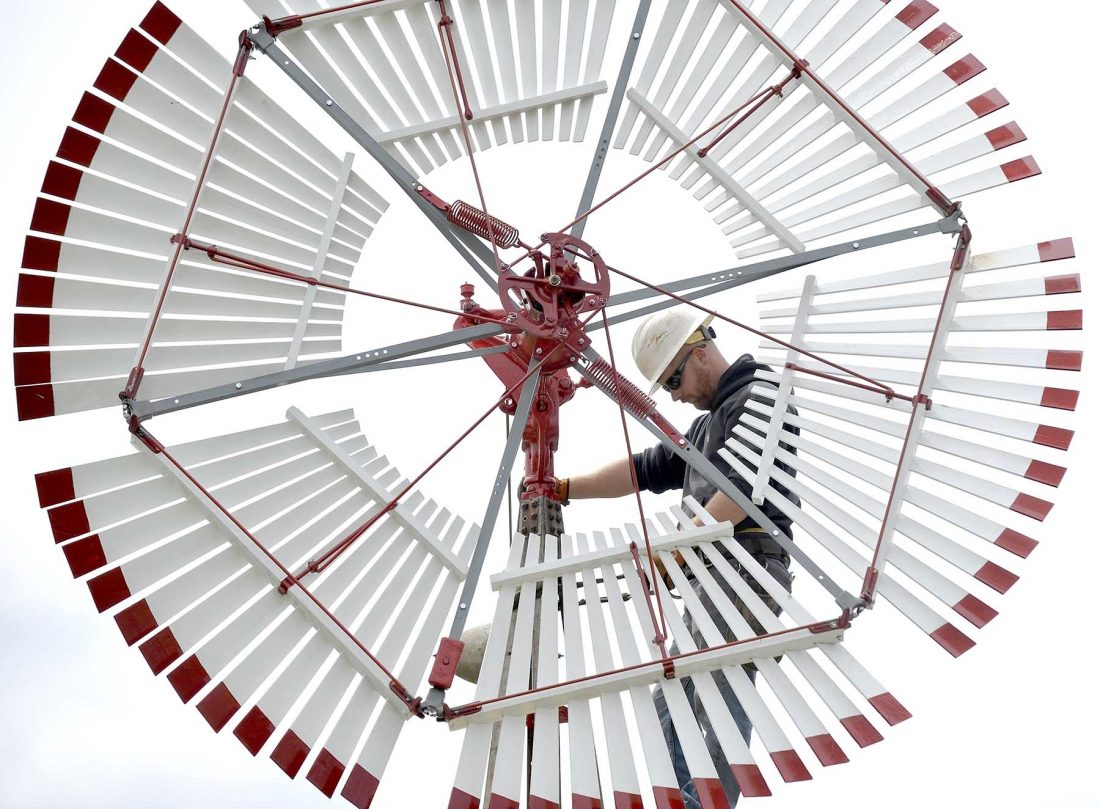
Phil Gehman, of Great Plains Windmill Service, makes some last-minute adjustments and checks the function of the restored windmill at the Fort Museum and Frontier Village.
-
-
-Messenger photo by Hans Madsen
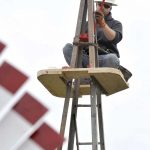
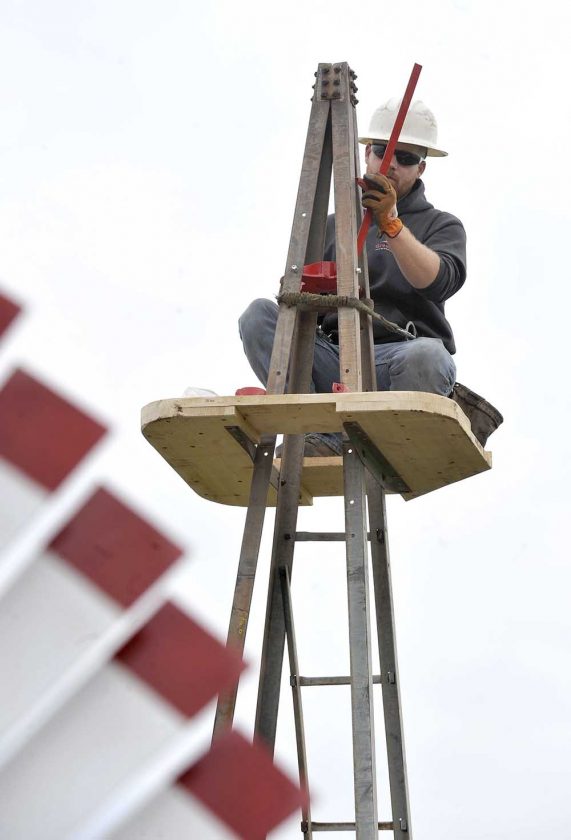
Perched atop the tower, Phil Gehman sets a piece of the restored windmill into place Tuesday as he prepares to have it lifted into place.
-
-
-Messenger photo by Hans Madsen
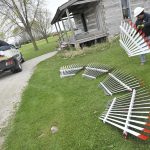
Eddy Yoder, also of Great Plains Windmill Service, unloads a section of the blades.
-
-
-Messenger photo by Hans Madsen
Phil Gehman, with Great Plains Windmill Service, adjusts a spring Tuesday as he works with Eddy Yoder, right, to put the Fort Museum and Frontier Village’s windmill back together before installing it on its tower.
-Messenger photo by Hans Madsen
Phil Gehman, with Great Plains Windmill Service, perches atop the tower at the Fort Museum and Frontier Village Tuesday as the newly-restored windmill is lifted into place.
Once upon a time there was a windmill or two on every farm.
Blades that turned in the almost constant Iowa wind pumped water for livestock, gardens and the family working the land. A few still dot the landscape here and there, most no longer turning as they quietly rust away.
The Fort Museum and Frontier Village had one too, an old Monitor with wooden fan blades. Until recently, it was a collection of parts gathering dust in storage. Its tower stood at the south end of the village’s street, with nothing on it. None of the current staff can recall when it was up there last or when it was taken down.
But on Tuesday, after a few months in the hands of Great Plains Windmill Service, in Kinross, it was put back up, in all its original freshly-painted and fully-working glory.
Misty Mackay, tour and volunteer coordinator at the Fort Museum, had a big smile on her face.
-Messenger photo by Hans Madsen
Phil Gehman, of Great Plains Windmill Service, makes some last-minute adjustments and checks the function of the restored windmill at the Fort Museum and Frontier Village.
“It’s gorgeous,” she said.
Phil Gehman, with Great Plains, showed off the date cast into the main hub: Jan. 1, 1918.
“It’s one of the first ones ever designed,” he said.
The company employees had their work cut out for them.
“It had a lot of broken casting parts,” he said.
-Messenger photo by Hans Madsen
Perched atop the tower, Phil Gehman sets a piece of the restored windmill into place Tuesday as he prepares to have it lifted into place.
The blades on the Monitor were made of wood.
“We replaced and reshaped them to its original size and quality,” he said.
The metal parts are painted bright red. The blades are white with red tips. Gehman and his helper, Eddy Yoder, put the pieces of the windmill back together on the ground. Originally, when assembled on a farm, the parts would have been hoisted up and the machine assembled atop its tower.
“This way is a lot safer,” Gehman said.
Windmills have been the family business for generations.
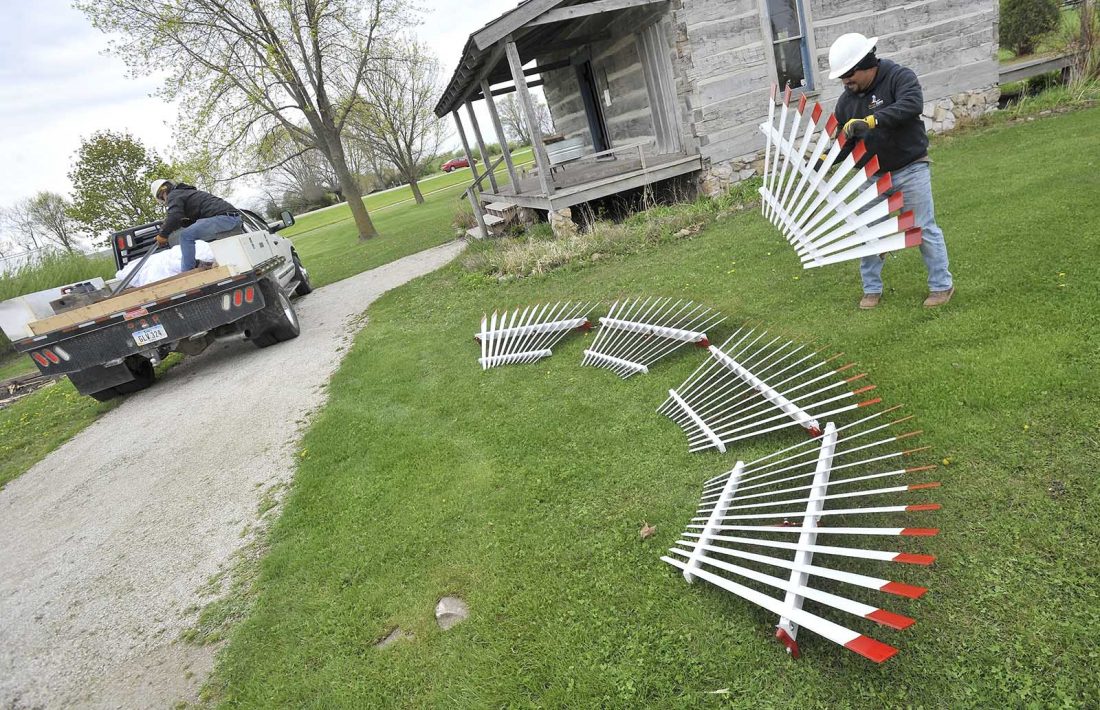
-Messenger photo by Hans Madsen
Eddy Yoder, also of Great Plains Windmill Service, unloads a section of the blades.
“It’s our full-time family business,” he said. “It was started by my dad, Daryl. He started when we were kids.”
They keep busy. He said they restore about 250 windmills a year.
“There’s very much a resurgence,” he said. “It’s really coming back.”
They also install new ones and many of those who get one restored, use it.
“A lot of people use them,” he said. “They pump water with them, that’s really coming back. There’s a lot of people going green and going off the grid.”
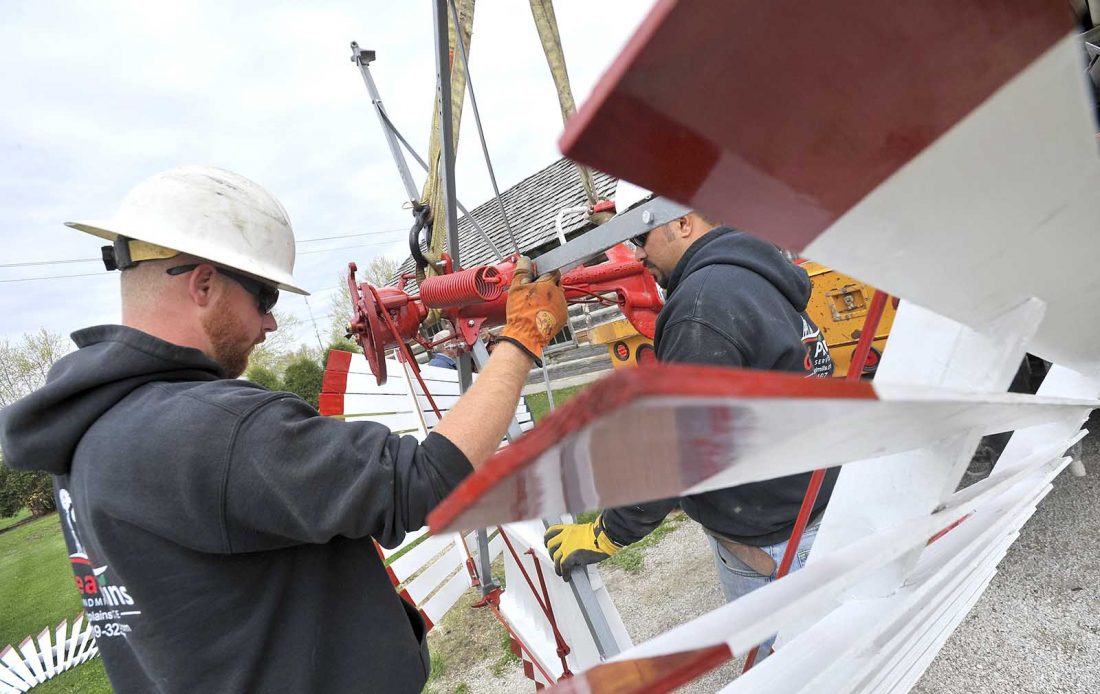
-Messenger photo by Hans Madsen
Phil Gehman, with Great Plains Windmill Service, adjusts a spring Tuesday as he works with Eddy Yoder, right, to put the Fort Museum and Frontier Village’s windmill back together before installing it on its tower.
The windmill doesn’t have a brake mechanism; that was something that came along later in the windmill’s technological evolution. Instead, the Fort’s Monitor uses a mechanism that can be adjusted from the ground that turns the blades so the wind doesn’t move them. It also doesn’t have the trailing fin commonly seen on newer windmills. The design of the blades forces them into the wind.
The Fort’s windmill is connected to a pump that fills a cattle tank. It draws from an underground cistern that the water tank drains back into in a continuous cycle.
Bolting everything together and lifting it atop the tower is straightforward work. It’s tuning it that takes an expert.
“Adjusting everything is the hard thing,” Gehman said. “That’s the part that takes the experience.”
Funding for the restoration was provided by a donation from MidAmerican Energy and the Ann Smeltzer Charitable Trust. The total cost for the project is about $7,500.
Mackay is happy to see it back up and turning in the wind. She’s especially happy it will be there for visitors to the annual Frontier Days celebration to be held May 31 to June 2.
“It’s another piece of history from Iowa,” she said. “It’s also nice to see it from the road. It really catches the eye of people driving by.”
Local News
Keeping a legacy of philanthropy alive in Fort Dodge
Iowa Central music students present Spring Showcase

America at 250: A journey through time, told through our communities
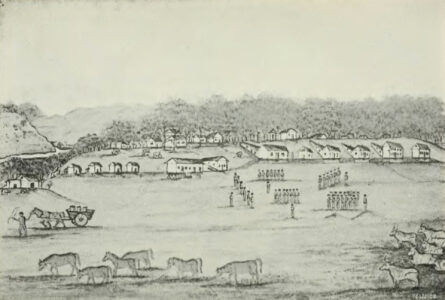
Fort Dodge began as frontier military post
Go and Do: April 3, 2026
Around the area CLARION — The Spring Coin Show will be held from 9 a.m. to 4 p.m. SATURDAY at the Heartland ...